
December being the start of winter means a lot of wildlife is now hidden away in dormancy, but there is still plenty to see.
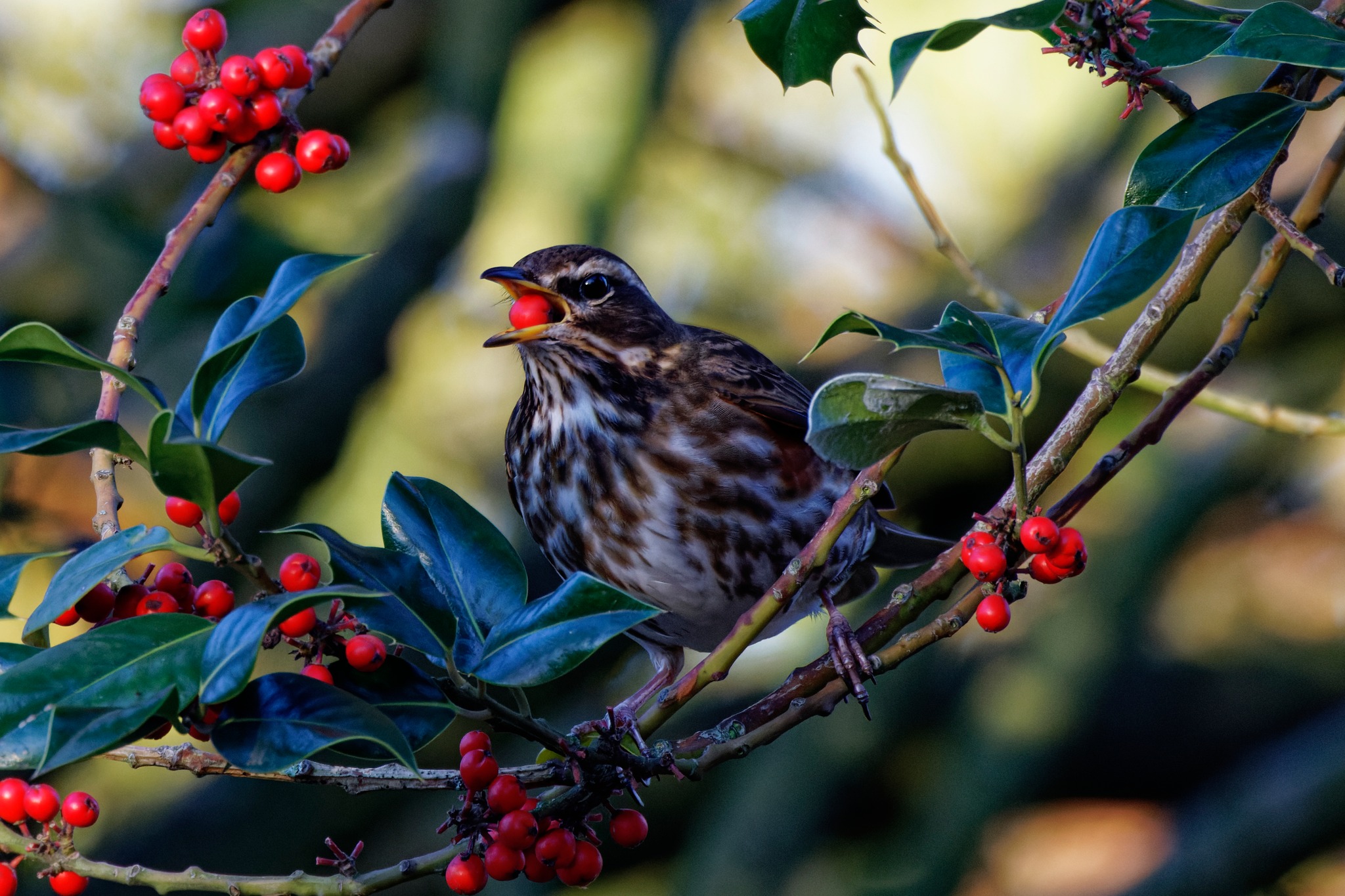
Most obvious will be the bird life with numerous visitors from more northerly climes joining our resident species. Redwings and Fieldfares may be seen foraging on fallen fruit, feeding on hedgerow berries or feeding on invertebrates in grassland. Sometimes these will venture into even the most urban gardens to feast on Pyracantha and Cotoneaster berries.

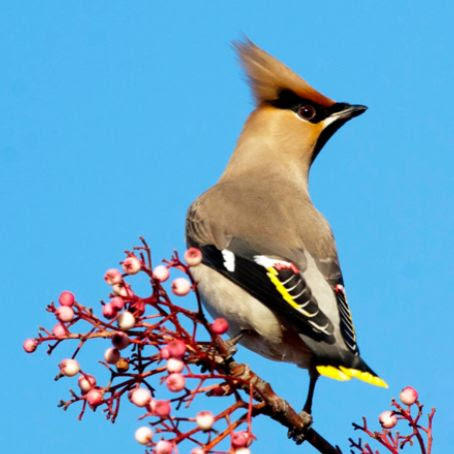
Another bird to look out for (hopefully!) is the Waxwing. This gaudy Starling-sized bird shows irruptive behaviour, which means in some years large numbers can arrive when berry crops in the breeding area have been depleted. So far this autumn there have been very good numbers in the north of Scotland with the best numbers since the winter of 2016-17, though not many got south that winter. 2012-13 was the last big year down south. Already a few have headed south along the east coast and a couple of birds in the far south-west on Scilly. Let’s hope we get an avian festive present of some gracing Ealing. The last local birds were around South Ealing Station a few years back and before that on an industrial site by Perivale Station. Check out ornamental fruiting trees in gardens and supermarket car parks.
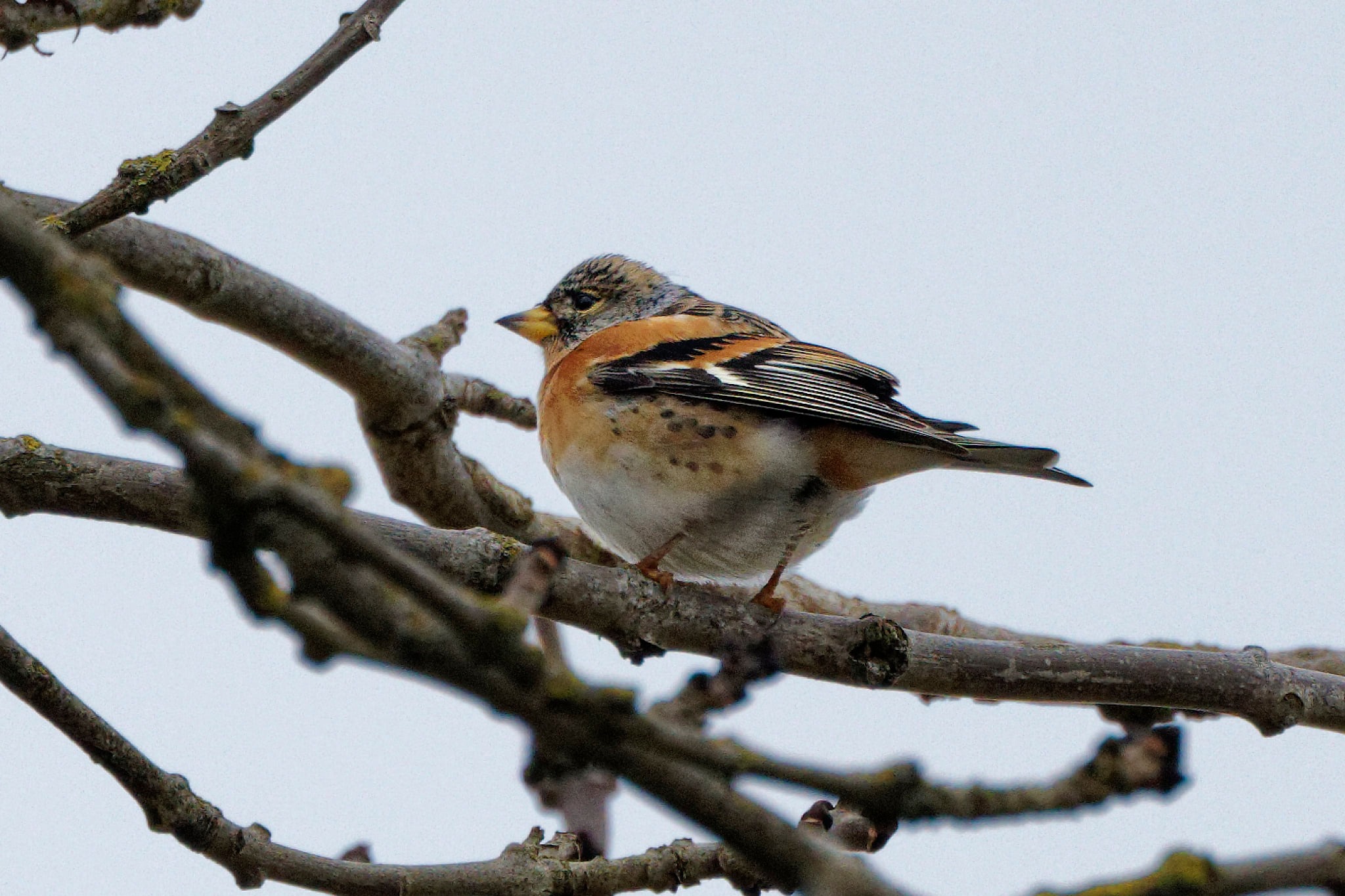
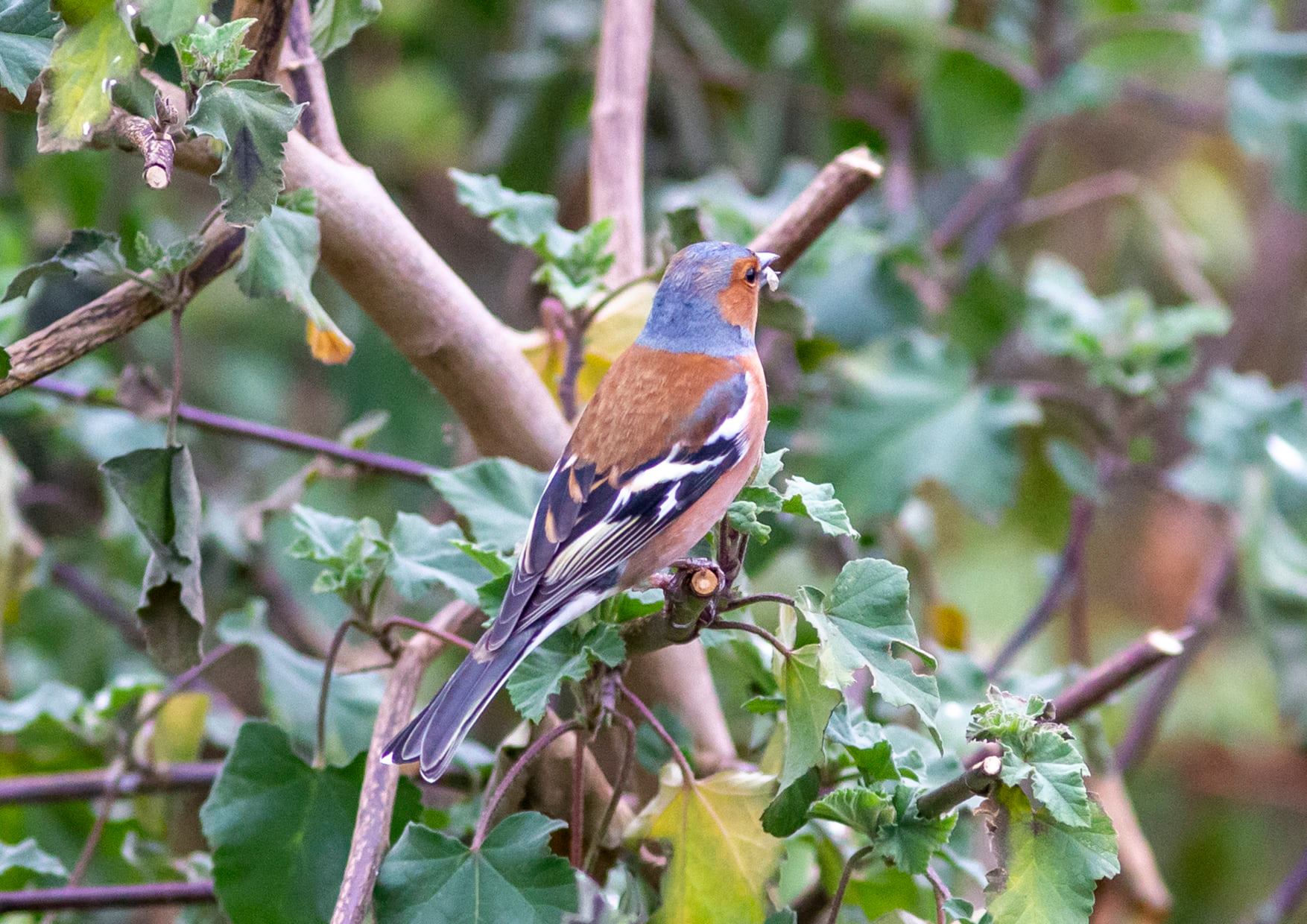
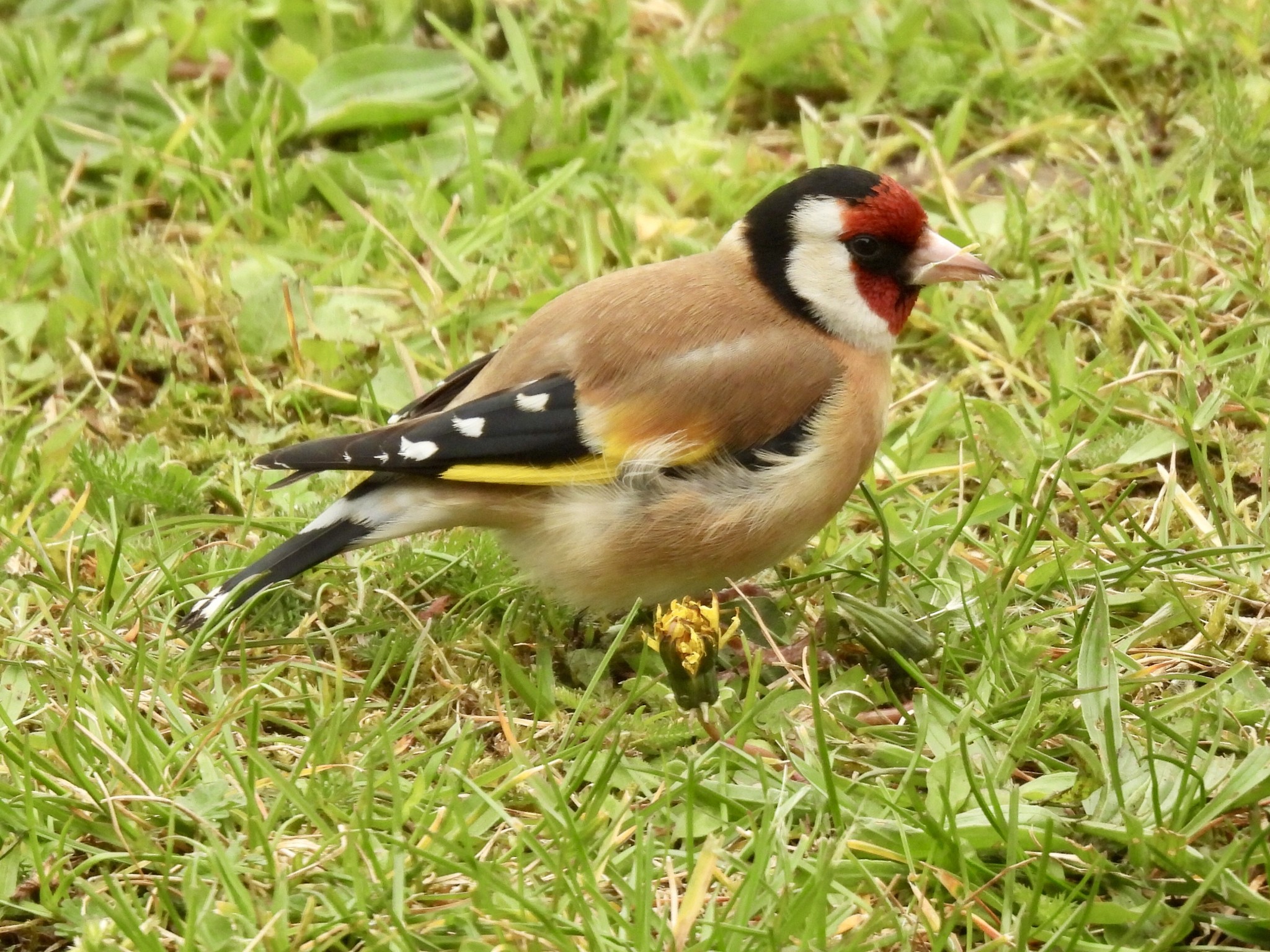
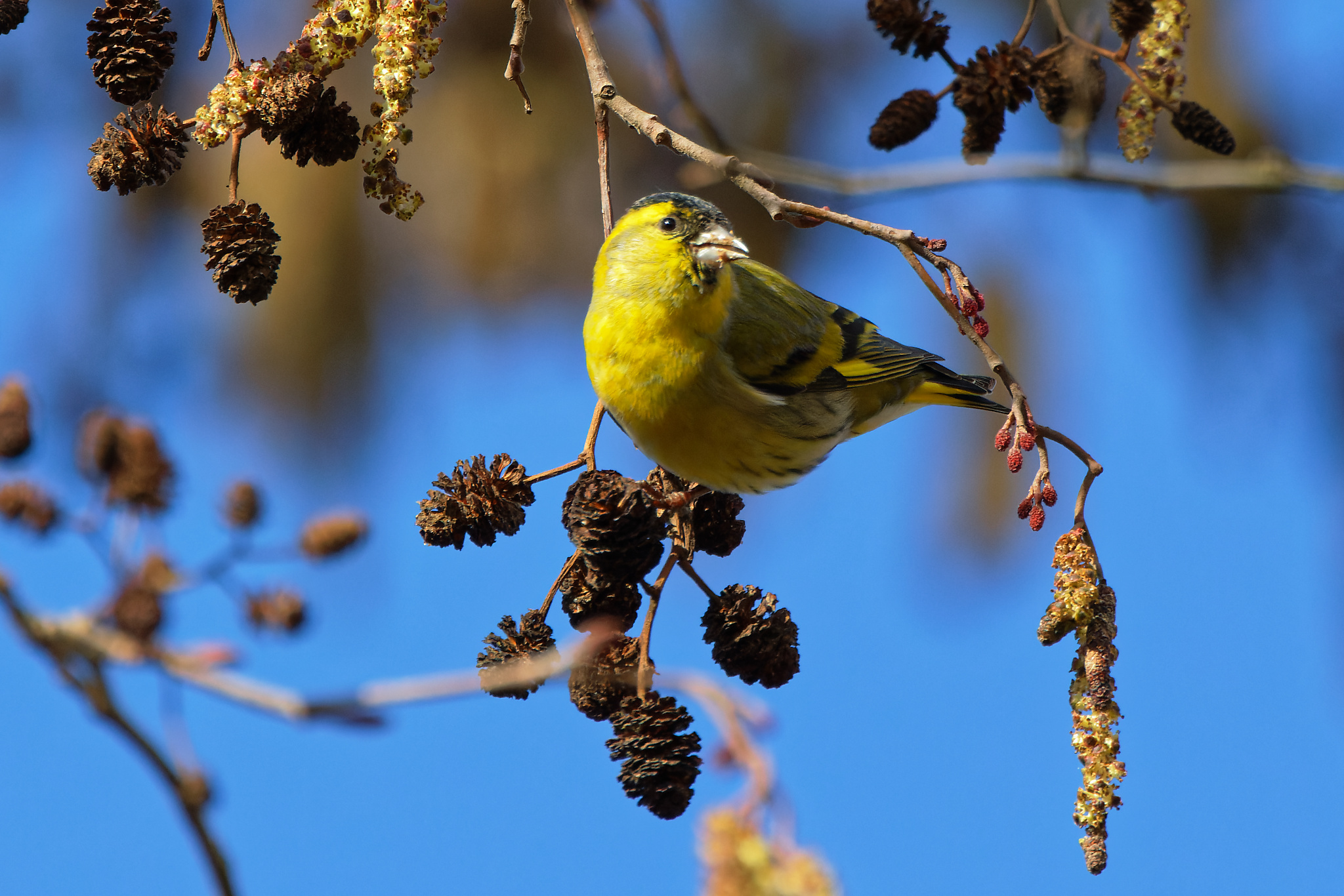
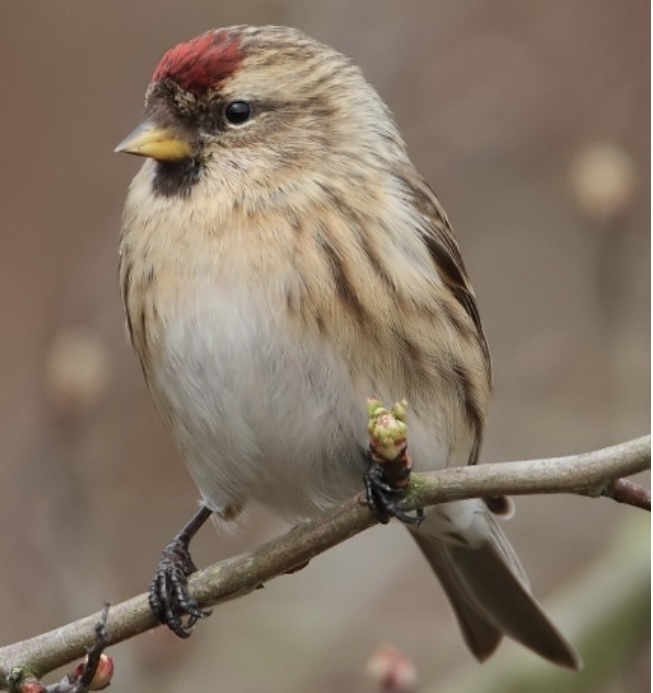
Several species of finch also arrive here in winter. Look out for Brambling amongst any Chaffinch flocks. At least two were found in such a flock in Osterley Park last winter. Birches, alders or larches may hold in addition to Goldfinches, small numbers of Siskin and Lesser Redpoll. I’ve often also found the latter species feeding on the seeds of Willowherb where there are good stands of it.
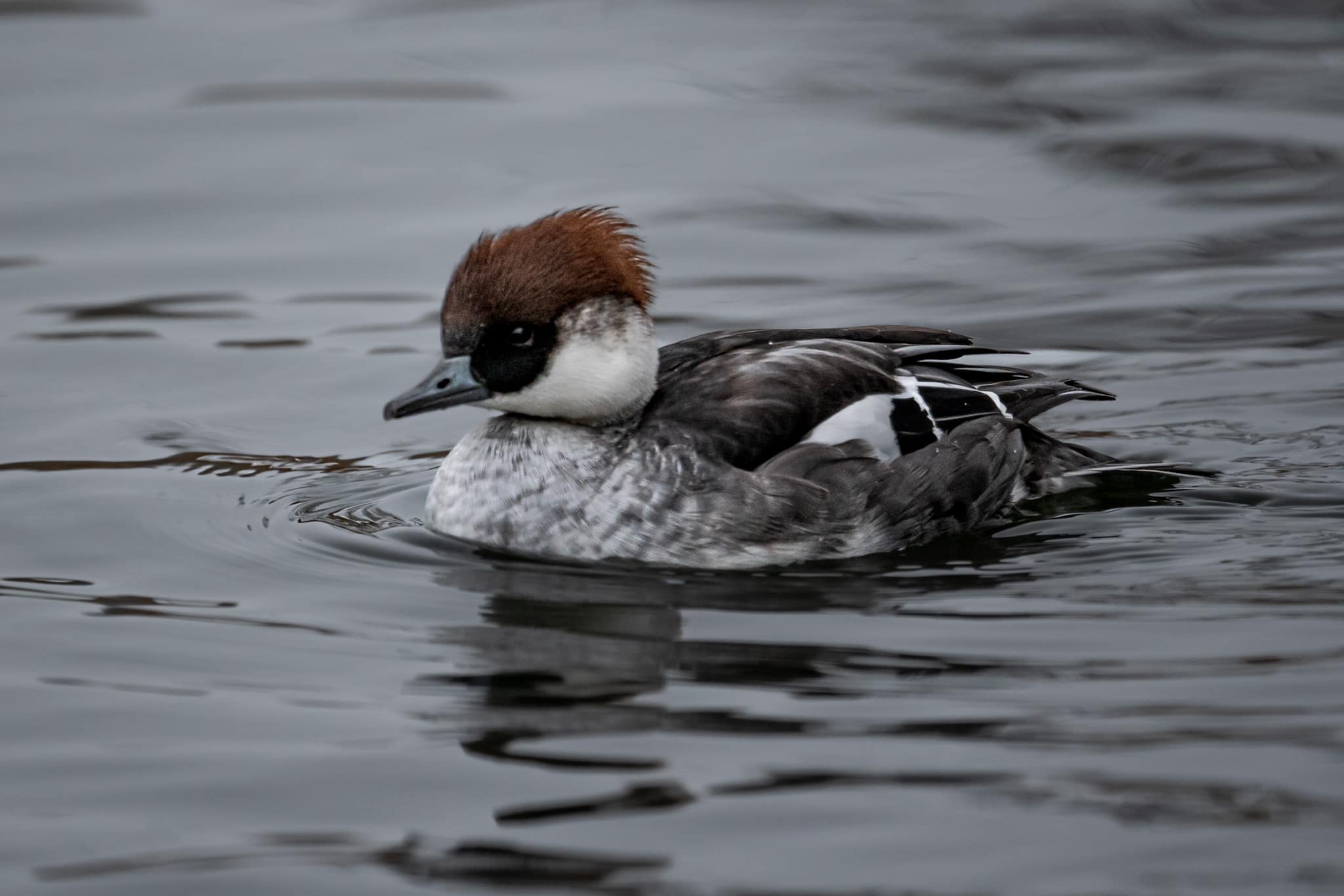
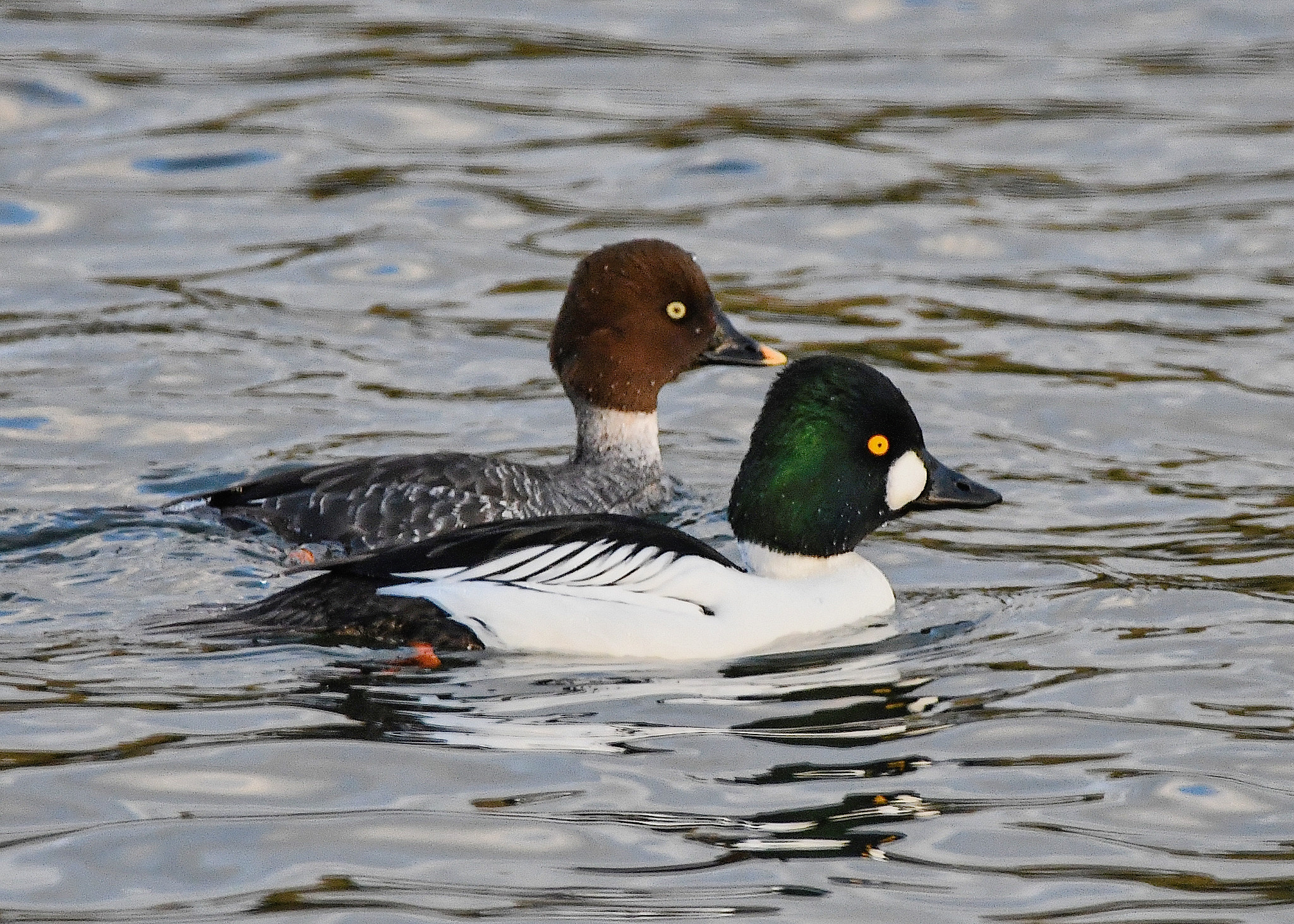
Though Ealing lacks many substantial water bodies, neighbouring boroughs give many opportunities to look at duck species at their finest, having moulted into their breeding plumage during late summer. Sites to look at include Osterley Park, Brent Reservoir and Ruislip Lido. In addition to the regular species, there’s always the chance of something more unusual like a Goldeneye or Smew turning up, particularly after a freeze on the near continent. Last winter a drake Smew and several Goldeneye could be observed at Stocker’s Lake near Rickmansworth.
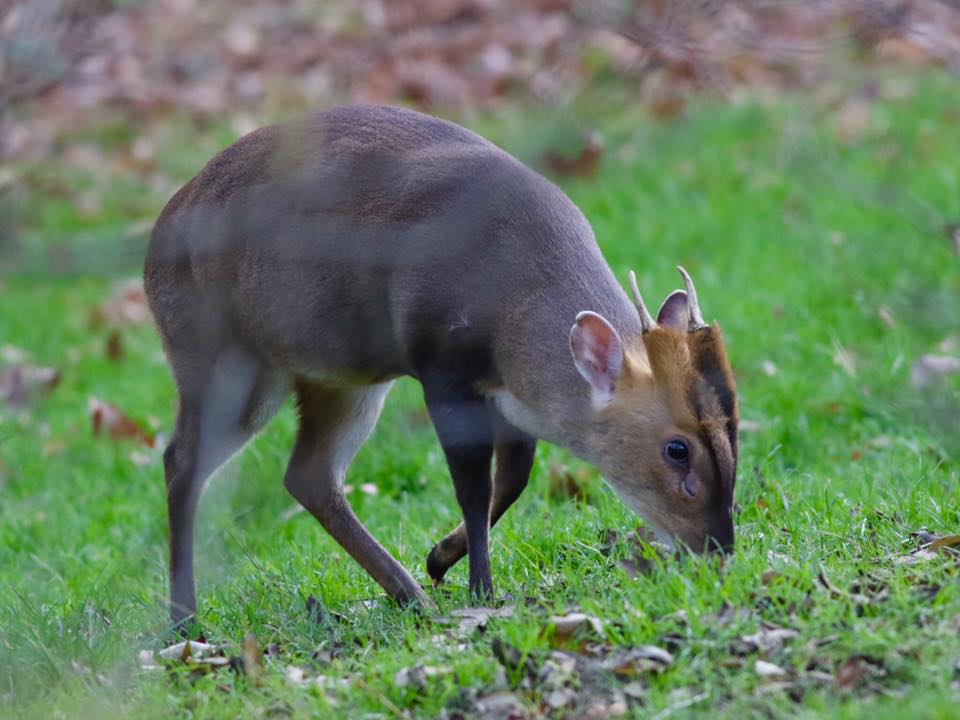
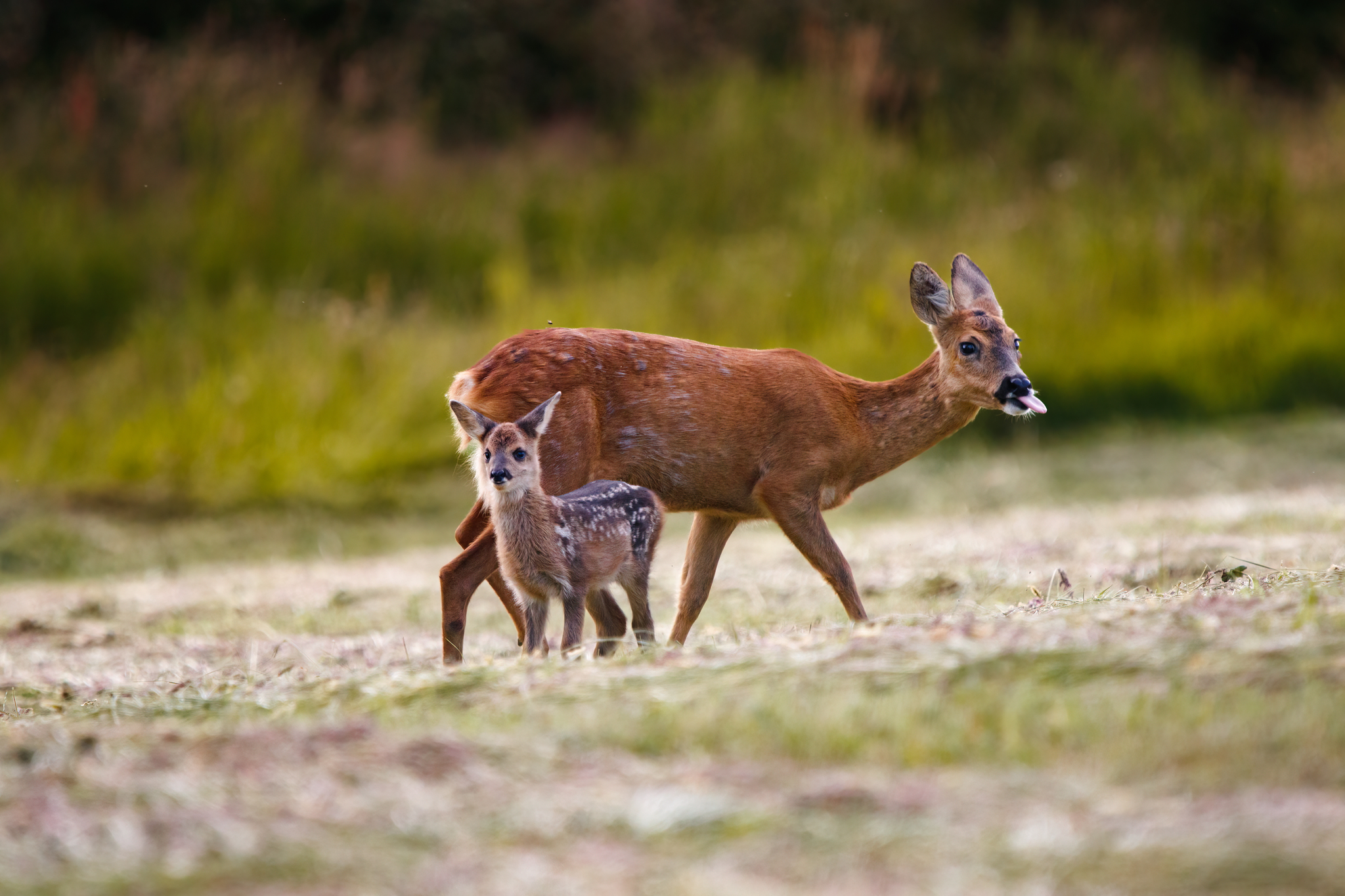
Foxes should become pretty evident this time of year as we are at the start of their breeding season, so are pretty vocal at times. You can use your tracking skills to look for signs of deer around the borough. The London Wildlife Trust is doing a London deer survey so records could be added to this if you find any evidence. Muntjac are now quite common in at least the outer parts of the borough and in addition to sightings of live or dead animals, you can look for tracks or droppings. There’s also the possibility of Roe Deer which is regularly recorded in neighbouring Hillingdon with a couple of sightings just in Ealing. I’ve seen them within distance of Ealing.

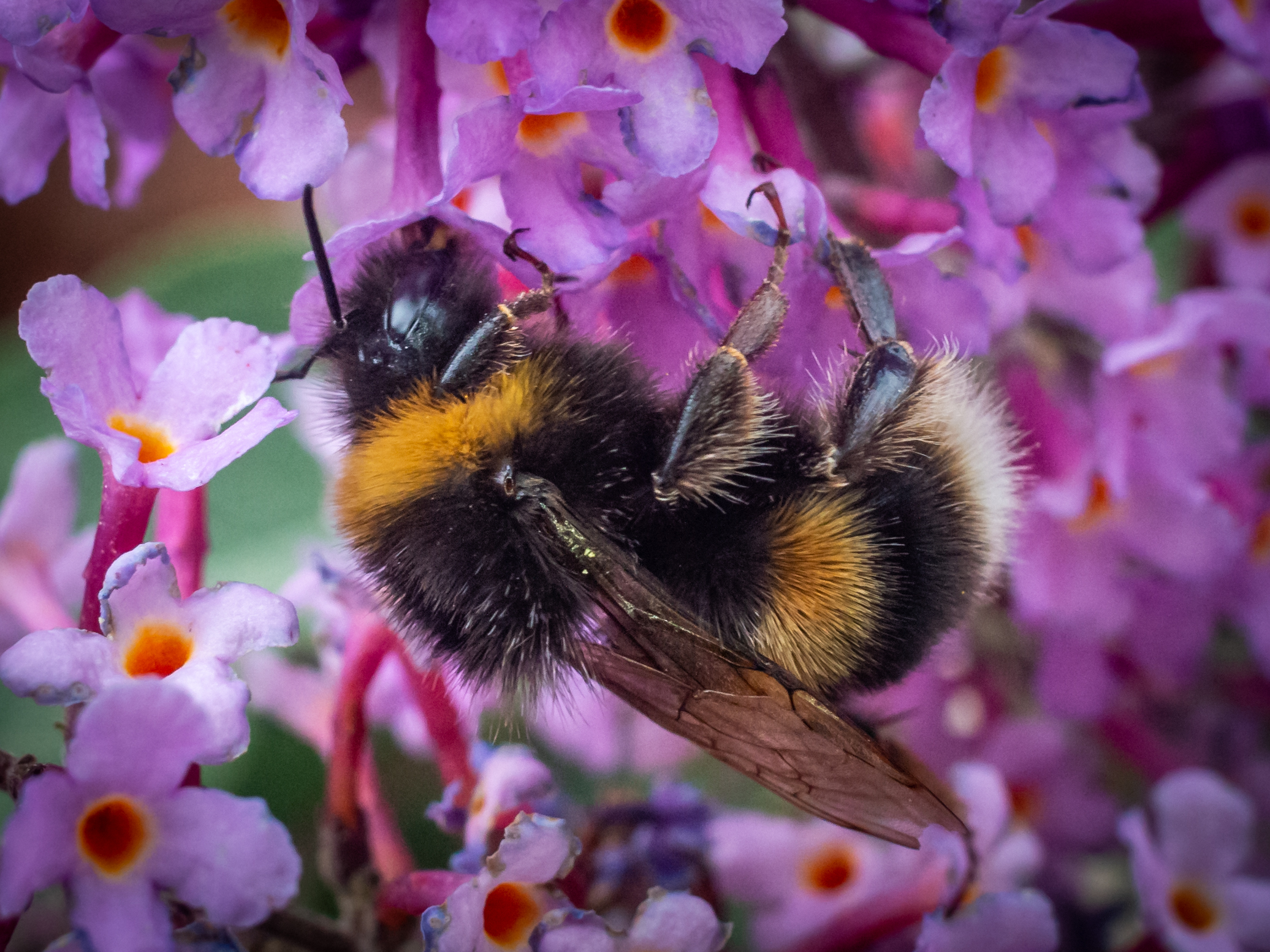
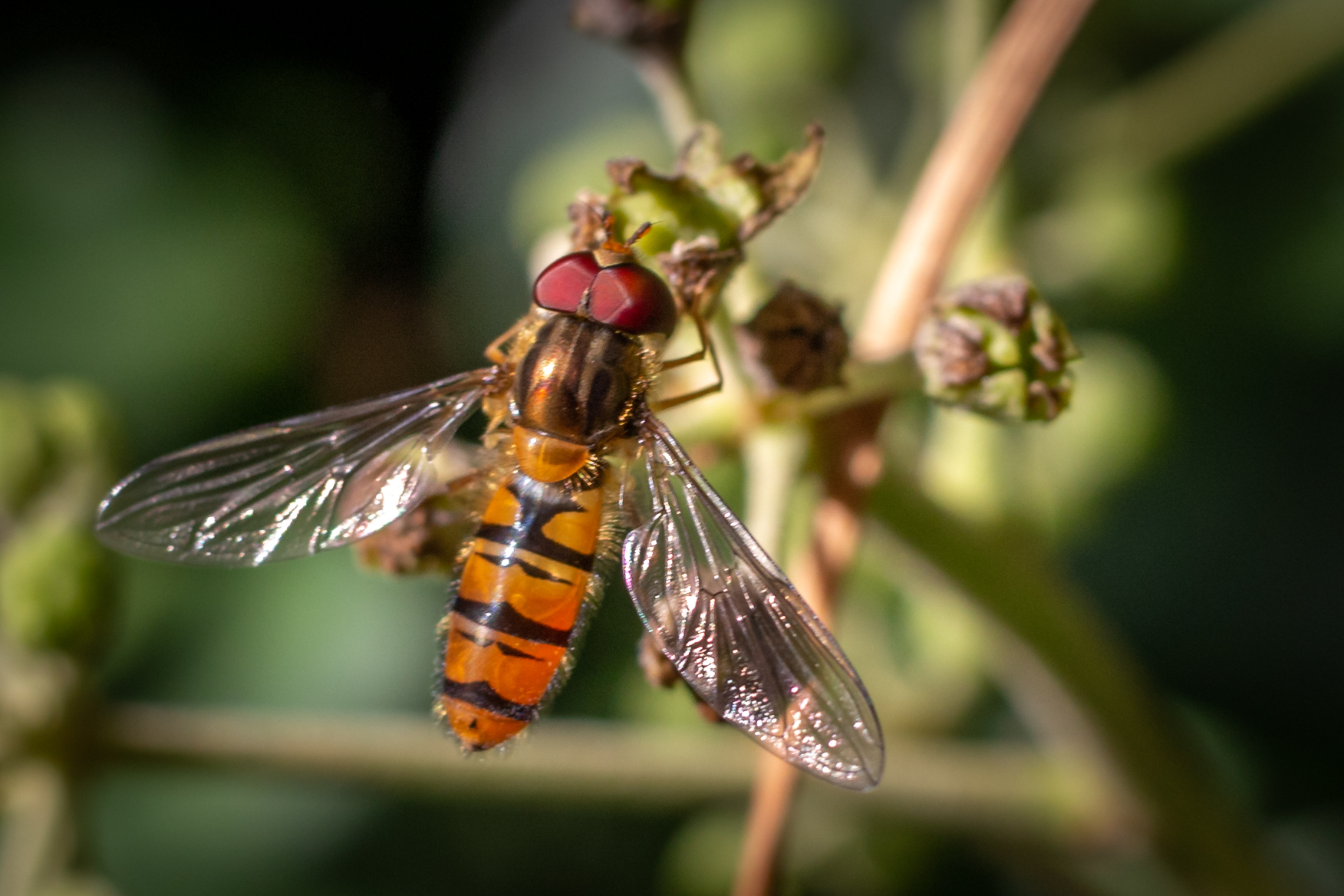
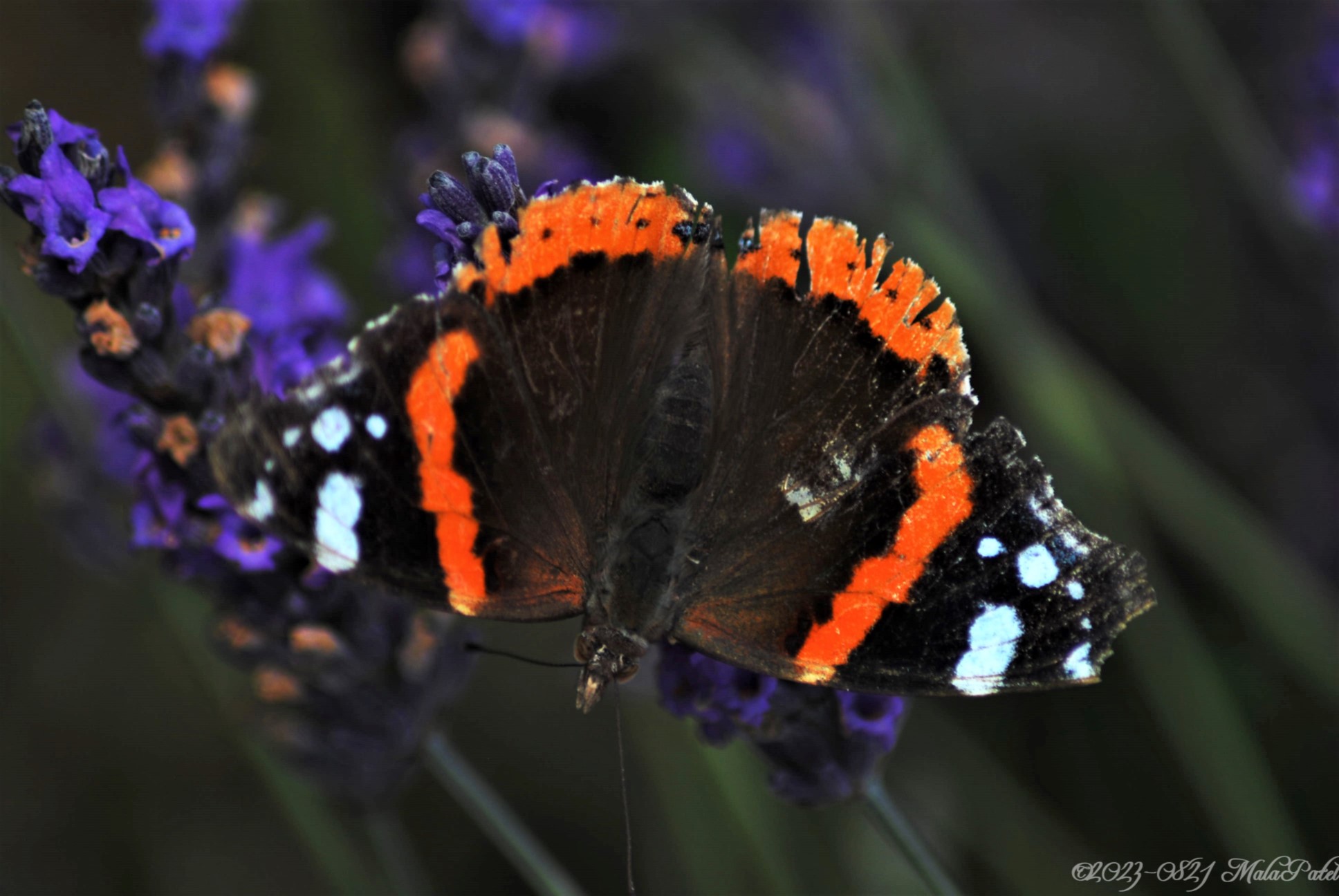
Though most flying insects will now be dormant in whatever stage they over-winter, there are still a few flying insects actively feeding. Gardens can be a haven for over-wintering colonies of Buff-tailed Bumblebees (this is a fairly recent phenomenon) which can use various garden plants such as Mahonias, Hebes, shrubby honeysuckles such as Lonicera fragrantissima, Clematis cirrhosa and winter flowering Ericas. Mild sunny days may see an active Red Admiral or hoverflies such as the Marmalade Fly or one of the droneflies. Other insects, such as various beetles can be found under logs or amongst leaf litter.
For the avid botanist now is a good time to learn to identify our native (and some of the more commonly planted exotic) trees by their shape and from their buds. At the end of the month, running December 30th-January 2nd, you might like to join the Botanical Society of the British Isles in their thirteenth New Year Plant Hunt to see which wildflowers can be found in flower? Winter is also a good time to get to grips with lower plants such as mosses and liverworts, but you will need a good hand lens!