
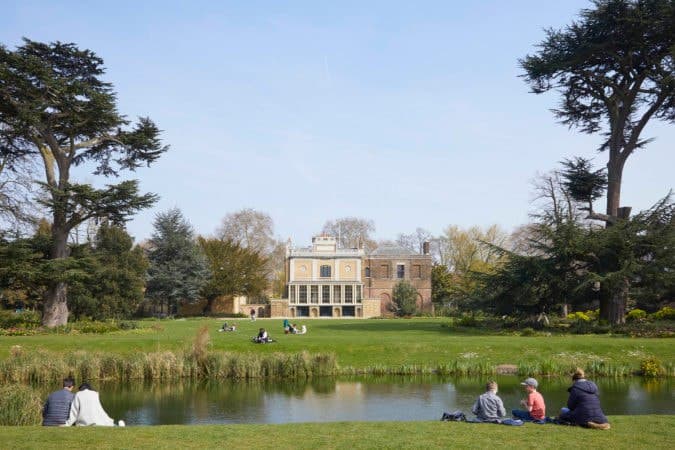
Walpole Park is a fairly formal park situated in the heart of Ealing. Despite the formality of the mown grass and specimen trees, it can be a pretty good place to connect with urban wildlife, especially birds.
The site managed by Ealing Council is a grade II municipal park and was originally part of the grounds of Pitzhanger Manor. The park was acquired by the council in 1899 and opened to the public two years later. The site is 28 acres in extent and has two small waterbodies which support a good number of waterbirds.
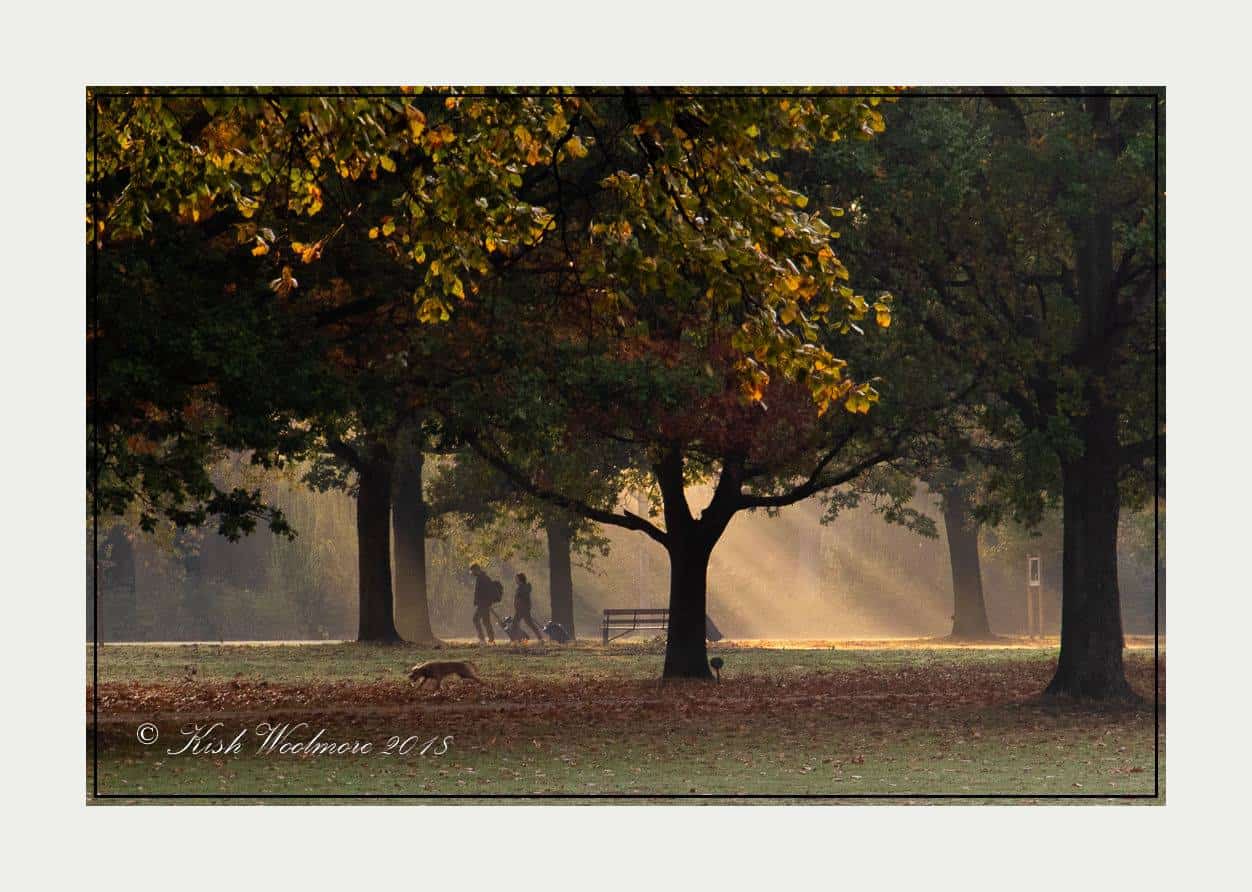
A good variety of trees can be found in the park from fine native Pedunculate Oaks and smaller Silver Birches which support a good variety of insect life, to some fine exotics including Horse Chestnuts, Cedar of Lebanon, Giant and Coast Redwoods.
In recent years there have been measures to improve biodiversity including some mini-meadows where long grass can flourish along with good native nectar plants such as Yarrow, Black Knapweed, Ragwort and Lady’s Bedstraw. During the summer these can be buzzing with a variety of hoverflies, bees and butterflies such as Meadow Brown and Small Skipper.
The short turf does support a variety of birds when the park isn’t too crowded. It’s worth looking for Stock Doves amongst the more numerous Wood Pigeons. The former species breed in tree cavities in the park. Seemingly declining now, a couple of pairs of Mistle Thrush could be seen on the turf, though in the last couple of years seems to be down to a single pair. In winter small flocks of Redwing are often evident. Pied Wagtails can also occasionally be seen feeding amongst the turf.
In the more wooded parts of the park Great Spotted Woodpeckers are residents and Walpole Park is one of the best places in the borough to connect with the distinctive Nuthatch as at least one pair is resident. The Yews and other conifers often hold regular Goldcrests and Coal Tits.
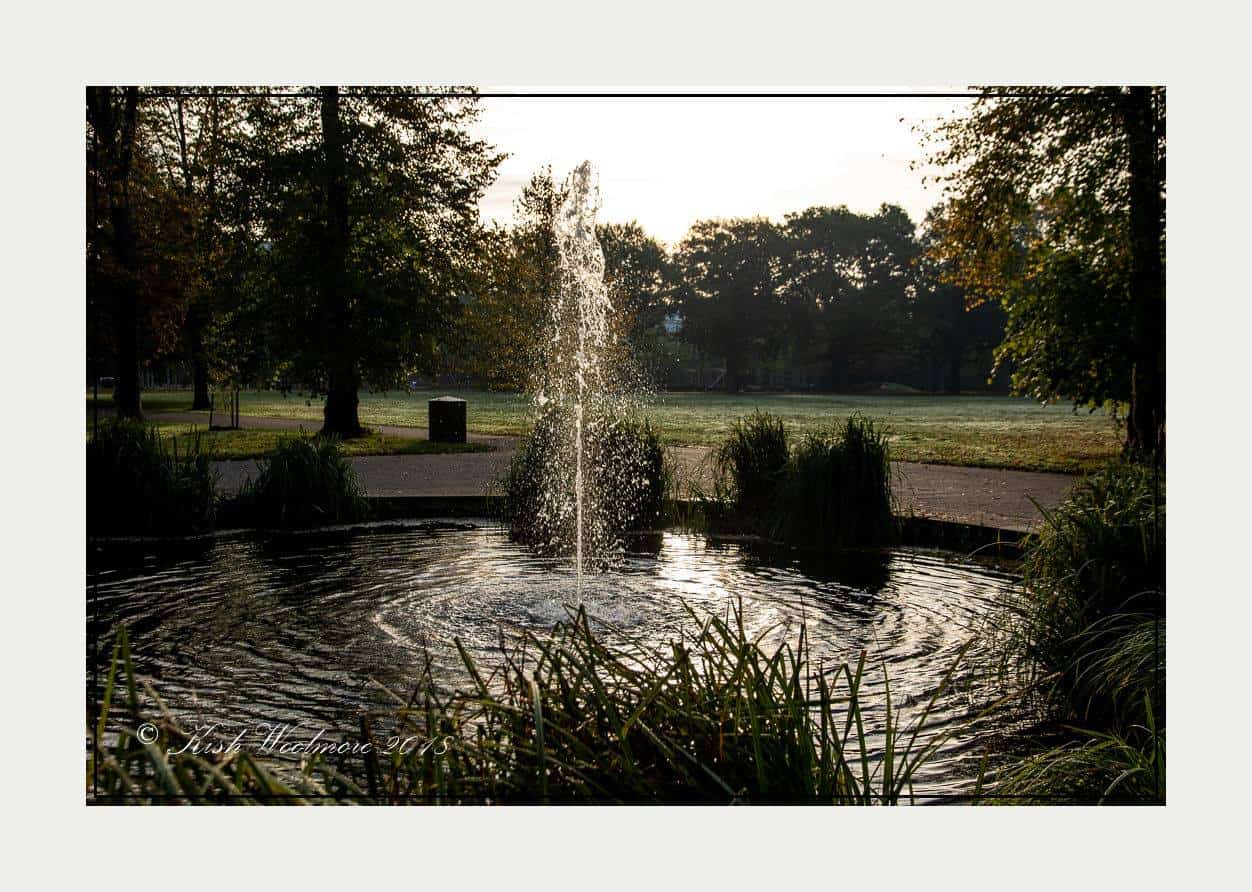
The ponds hold resident Egyptian Geese, Mallards and Moorhens, the last species in unusually high numbers. In the spring several pairs of Tufted Duck turn up and join the resident species to breed. Success is pretty good although Herons and occasionally a Herring Gull will take some young birds. Grey Wagtails can be seen here every so often.
Sparrowhawk is probably the most regular raptor to be found, though in line with their recent increase Red Kites are occasionally seen flying over and also the chance of Kestrel and Peregrine. Little Owls are resident here and Tawny Owl has been recorded at night.
Being a green oasis in a relatively built-up area the area can attract birds on migration and in the last couple of years, birds such as Spotted and Pied Flycatcher, Redstart and Willow Warbler have been discovered here. Also, last spring while conducting a breeding bird survey I spotted a Cuckoo flying that came from the direction of the park.
In summer Swifts can be watched as they feed over the park and witness screaming parties. These breed in nearby old buildings. Blackcaps can also be heard on territory in the spring.
For those interested in more about the bird life in the park there is an organised bird walk on the third Saturday of each month, usually led by Nigel Dodd.
As well as bird monitoring there have been several bat walks organised by Ealing Wildlife Group picking up the echolocation sounds of Common and Soprano Pipistrelles as the most numerous species present. Foxes and Hedgehogs are recorded in the park as well as the ubiquitous Grey Squirrels.
Moths have also been monitored for some years by Barbara Mulligan, although less regularly in the last couple of years. Here we have seen formerly rare species/migrants become established such as Jersey Tiger and Tree Lichen Beauty as well as recording migrant species in the park such as Vestal and Diamond-back Moth. Due to the proximity of the lakes, a good number of caddisflies are also found in the trap, though these haven’t been identified to a particular species.
The walled garden has a good mix of perennial plants and vegetables that attract many insects as useful plants for pollinators such as Fennel, Marjoram and Verbena bonariensis present.
Many of the more widespread butterflies can be seen in season including the three common whites (Small, Large, and Green Veined), Brimstone, Holly Blue, Speckled Wood, Peacock, Red Admiral and Comma. Hummingbird Hawkmoth and Painted Lady can be found in good years for migration.
The pond closest to the walled garden has been planted with a good variety of native wetland species including Flowering Rush, Yellow Flag, Purple Loosestrife and some pond sedges. Here Donacia reed beetles and a variety of common damselflies, especially Blue-tailed, can be seen. Dragonflies include Broad-bodied Chaser, Black-tailed Skimmer, Emperor, Migrant Hawker and Common Darter can be observed in season.