
When I was a kid I loved turning over any rock or log I could find to see what lived underneath (okay I still do this as an adult, but now I’m considerably more careful to put things back where I found them). Back then earwigs were a common find and I can remember being fascinated by them. Often misunderstood and disliked, now sadly in decline, I’d like to fly the flag for an insect that doesn’t get a lot of love.
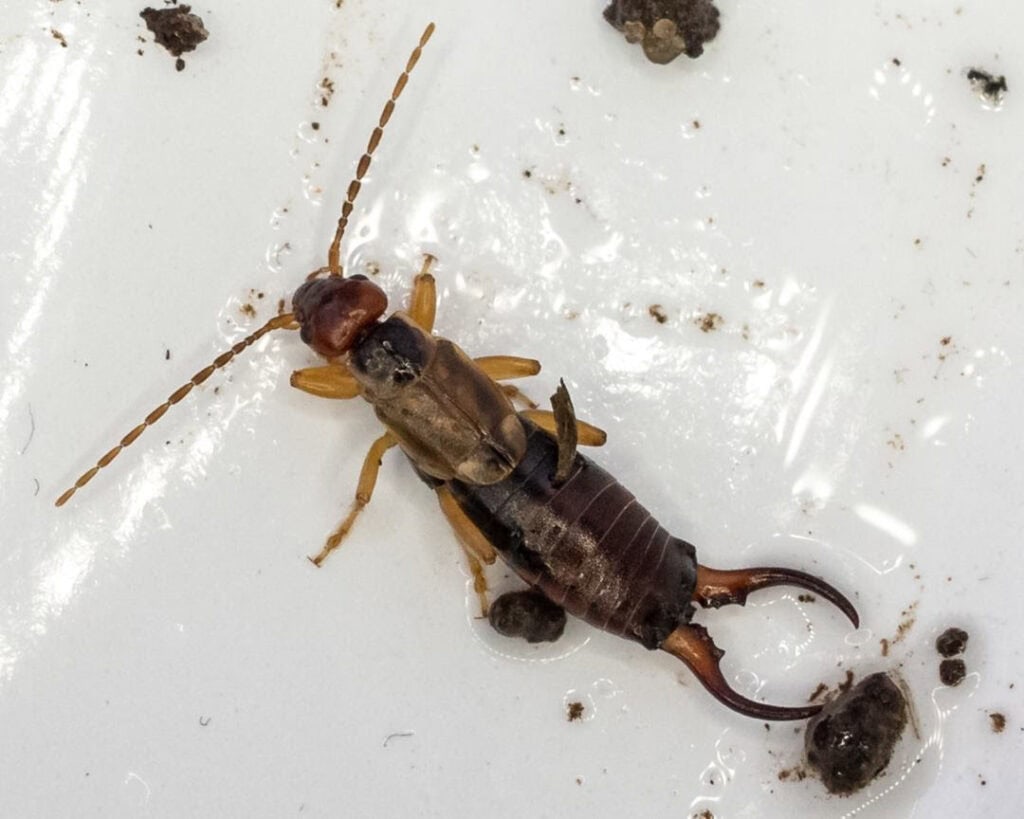
So what is an earwig?
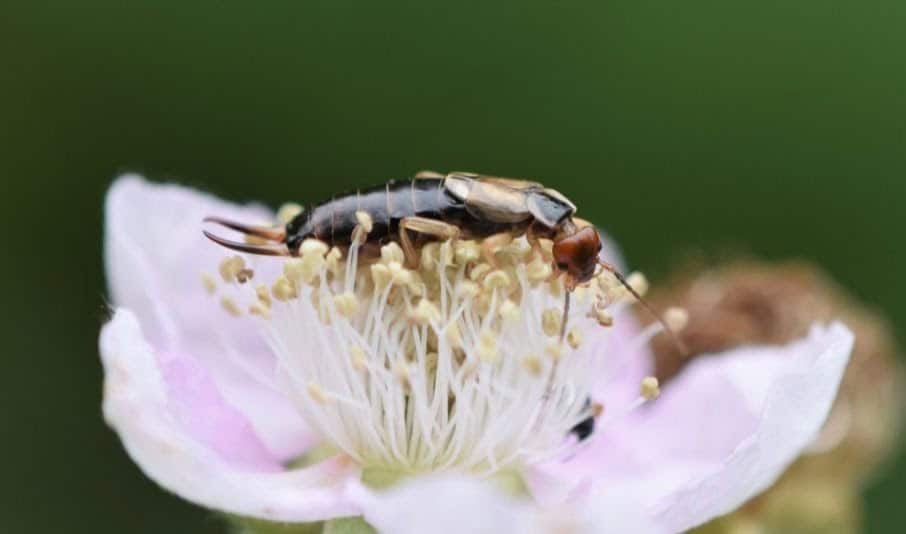
People often think that earwigs are a kind of beetle, but they are actually in a small group of insects called Dermaptera, which roughly translates as “skin winged.” This is a reference to their forewings which supposedly resemble skin. You might have to use some imagination on this one, but their forewings are a lot softer and more delicate than, for instance, a ladybird’s. Their closest relatives in the UK are grasshoppers and crickets.
We have four species of earwig in the UK, with another three that turn up as occasional accidental imports. Two species are widespread and two are restricted to the south; potentially all of them could be present in Ealing, but, like most insects, they are very under-recorded so we don’t really know where they are.
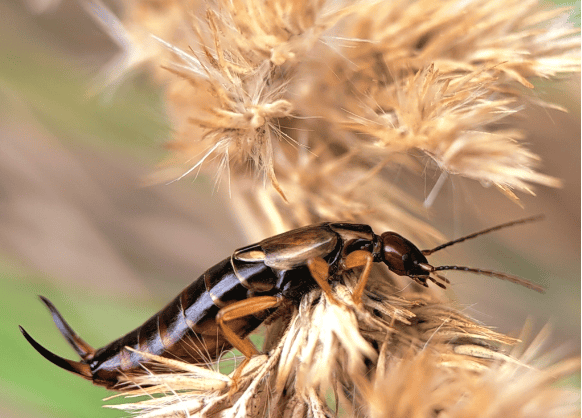
Their most distinctive feature is the pincers (cerci) at the end of their abdomens. These are the earwig’s Swiss Army Knife and can be used to repel predators, catch food and as part of courtship and mating. They aren’t that strong though so they are unlikely to give you more than a light squeeze (and only then if they feel threatened).
What’s with the name?
This comes from the old English words “eare” (meaning ear) and “wigca” (which seems to refer to a variety of invertebrates and relates to anything that wriggles). The wiggling part seems straightforward as they are adept at crawling into tight spaces (they are definitely amongst nature’s introverts and will hide away from you as quickly as they can).
The ear part is a lot less clear, but possibly references the myth that they will crawl into people’s ears, tunnel into their brains and lay their eggs there. Needless to say, this is totally untrue and earwigs have no interest in being in your ear! They like cool dark spots with plenty of soft vegetable matter, so unless you’re in the habitat of keeping vegetable peelings in your ears, you will remain earwig free.
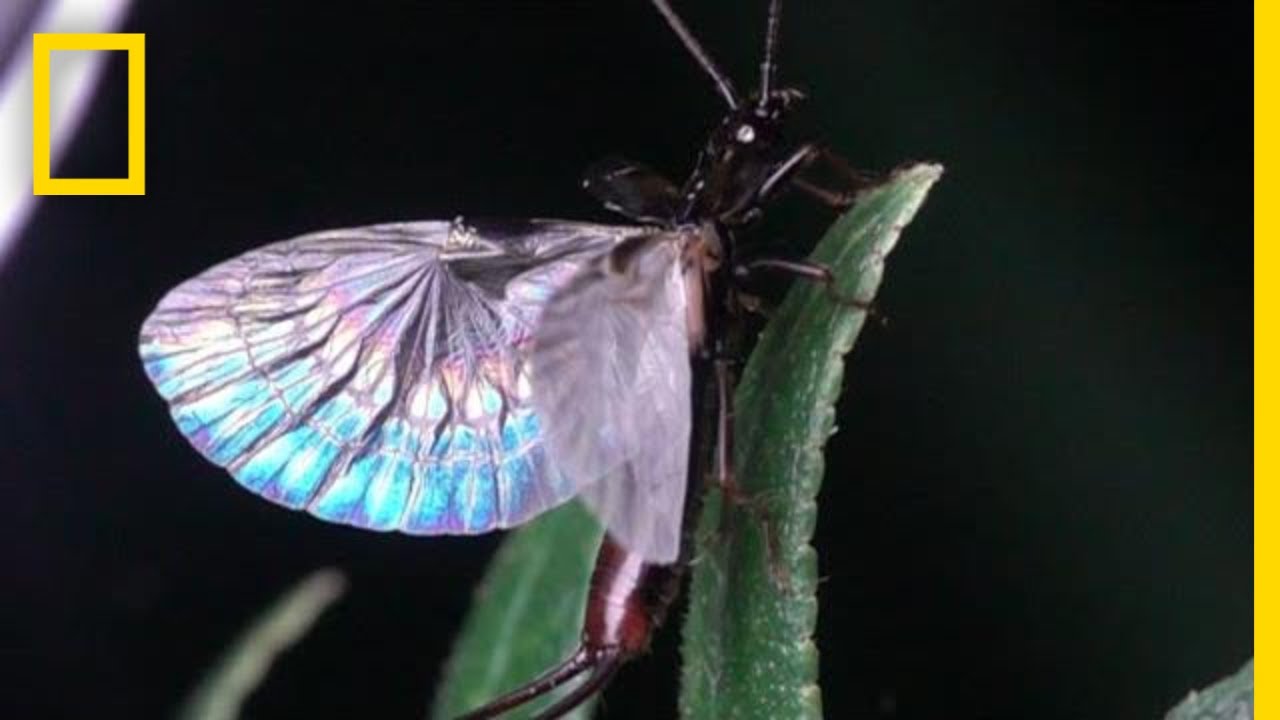
The alternative theory on the ear part is that their hind wings when unfolded have a very distinctive appearance which resembles a human ear. Our earwigs rarely fly so not many people have been lucky enough to see their hind wings which are normally folded away. The wings open out to ten times their folded size and are so efficiently packed away that engineers have used them as design inspiration where compact storage is essential.
Here is a beautiful video showing the wings of a Japanese earwig species that’s well worth watching.
Mother knows best
Earwigs are unusual in the insect world in caring for their offspring. Pretty much the standard model in the insect world is to lay plenty of eggs and then leave your progeny to get by as best they can without any help (possibly eating them if you bump into them at a later date).
Earwig mothers are very different – they only produce eggs once a year and they take excellent care of them. Mothers-to-be will prepare a nest and will diligently keep their eggs clean to protect them from fungus and bacteria. She continues to care for them after they hatch and can feed them with regurgitated food as well. She will protect them from predators and if the nest suffers serious disturbance, she will diligently relocate her eggs or offspring to a safer site. All through this she won’t eat anything (apart from any unhatched eggs).
Compared to most birds and mammals it’s a relatively primitive form of parental care, but it may provide some insights into how this behaviour evolved and became the norm for most vertebrates.
The jury is out on how effective this care is – young earwigs (rather charmingly called wiglets) can survive without mum and there is mixed evidence of the benefits of this behaviour to the wiglets. However, it does seem like a very complex behaviour to have evolved if it doesn’t confer some advantage to the earwigs – it’s just one of the many things about the wildlife we see all around us that we don’t fully understand yet.
The gardener’s friend
Traditionally, gardeners have seen earwigs as a menace in the garden. They are omnivores and they are partial to chewing holes in flowers and leaves now and then. Compared to the damage caused by slugs and snails they tend to be very discreet but a quick Google of earwigs will direct you to any number of pest control sites.
The actual picture is more complex. Earwigs are generalist feeders and, as well as living plants, they will also eat decaying matter, helping to recycle nutrients (they are fond of spending times in compost heaps) as well as small insects – particularly ones that we tend to consider annoyances in the garden like aphids and scale insects.
Earwigs are also believed to be pollinators, so they do provide an all-round service!
There is evidence that they can be significant predators of aphids on fruit trees, so if you are growing fruit you may want to make some space for them. They are susceptible to pesticides though and, as they are relatively slow breeders and poor dispersers, it can take a long time to build up populations if they are wiped out. So please do think before you reach for the spray…
Ultimately, they are part of our ecosystems and they deserve a chance to be here – I consider the odd hole chewed in a leaf to be a small price to pay for all the other help these charming little creatures provide.
Bitten by the bug?
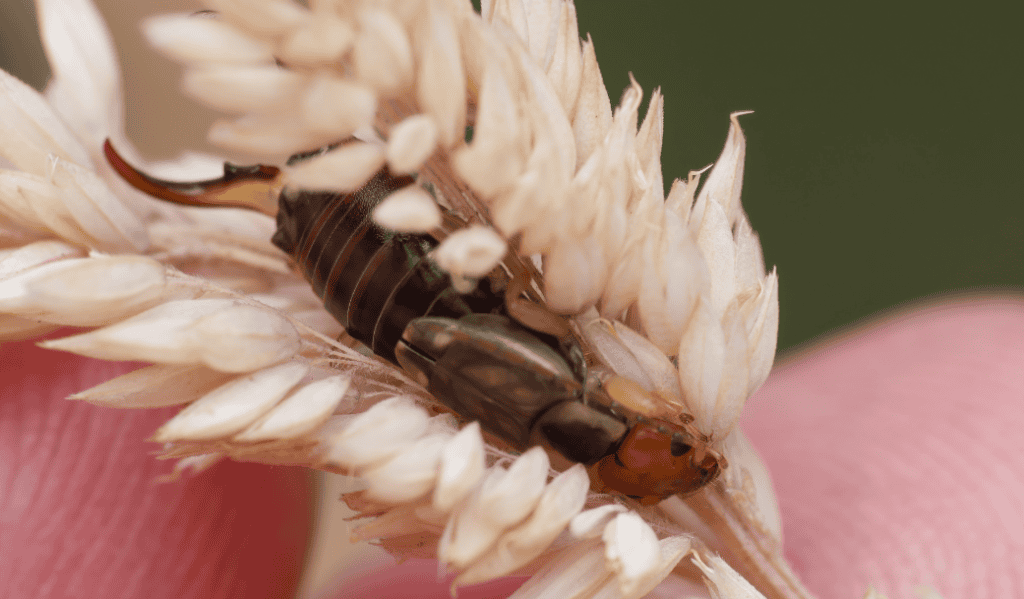
If you’re looking for a way to help out with earwigs and do some citizen science you might want to check out The Buzz Club’s earwig project Earwi’GO!
Alex Worsey
EWG Biodiversity Data Officer