Himalayan Balsam (Impatiens glandulifera), a striking plant with pink-purple flowers, poses a serious threat to Ealing’s native flora and fauna. While beautiful, this fast-growing invader outcompetes local plants, reduces biodiversity, and increases flood risk by destabilising riverbanks with its shallow roots.
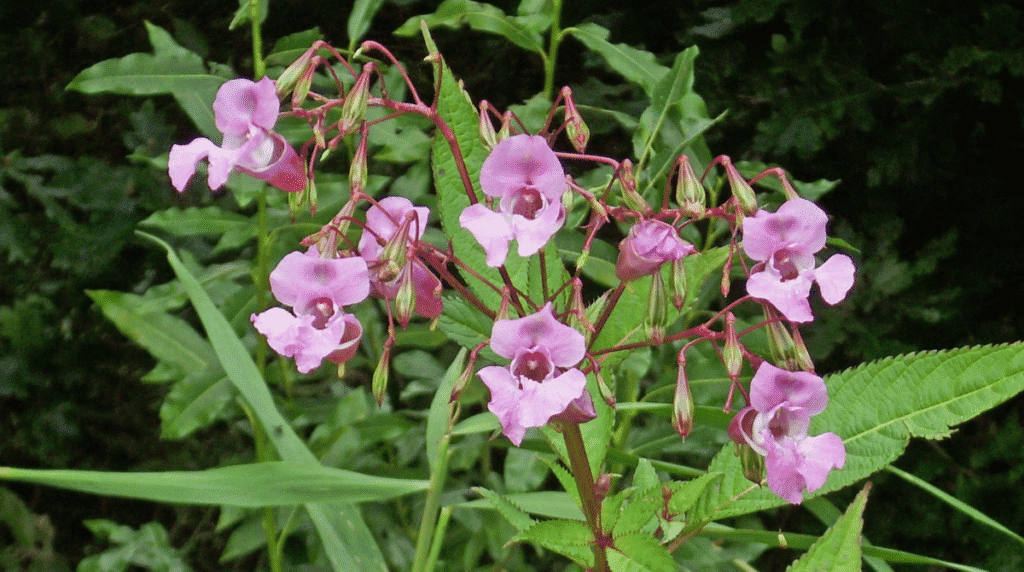
This invasive species spreads rapidly; a single Himalayan Balsam plant can produce up to 2,500 seeds that remain viable for two years, allowing it to colonise new areas if left unchecked. Its detrimental effects include increasing flood risk, reducing habitat for pollinators and birds, and undermining the character of our parks and natural reserves.
Recent efforts to control this plant in Ealing have included volunteer sessions near Bunny Park and Bittern Field. These sessions focused on removing emerging Himalayan Balsam before it spread its thousands of seeds, a crucial hands-on conservation effort. Note that this removal should not be carried out on plants that have set seed, otherwise wider dispersal could be aided.
Why it Matters
Ealing’s green spaces, stretching over 500 hectares, are vital habitats for a wide range of wildlife. Native plants form the foundation of these ecosystems, supporting everything from pollinators like bees and butterflies to birds and small mammals. When species like Himalayan Balsam take hold and spread, they disrupt this delicate balance, threatening the diversity and resilience of our local environment. Without intervention, these invaders can push out native plants, leaving wildlife with fewer places to feed, nest, and thrive.
What We Can Do Together
Addressing invasive species is a challenge that requires a collective effort from the whole community. Volunteering with groups such as the Ealing Wildlife Group and Clean Up the River Brent (CURB) provides hands-on opportunities to remove invasive plants and restore native habitats. Reporting sightings of invasive species in the borough’s parks, allotments and cemeteries helps ensure early action before these plants become widespread.
Residents can also contribute by making thoughtful choices in their own gardens, prioritising native plants and avoiding those known to spread aggressively. Sharing what you learn about invasive species with friends and neighbours strengthens the community’s awareness and ability to act.
Looking Ahead
Through collaboration and commitment, we can protect Ealing’s unique natural heritage. By working side by side, we create healthier, more resilient green spaces that benefit both people and wildlife. Whether you are a long-time volunteer or just beginning to explore conservation, your involvement makes a real difference.
Sabrina Bravi
Events Officer