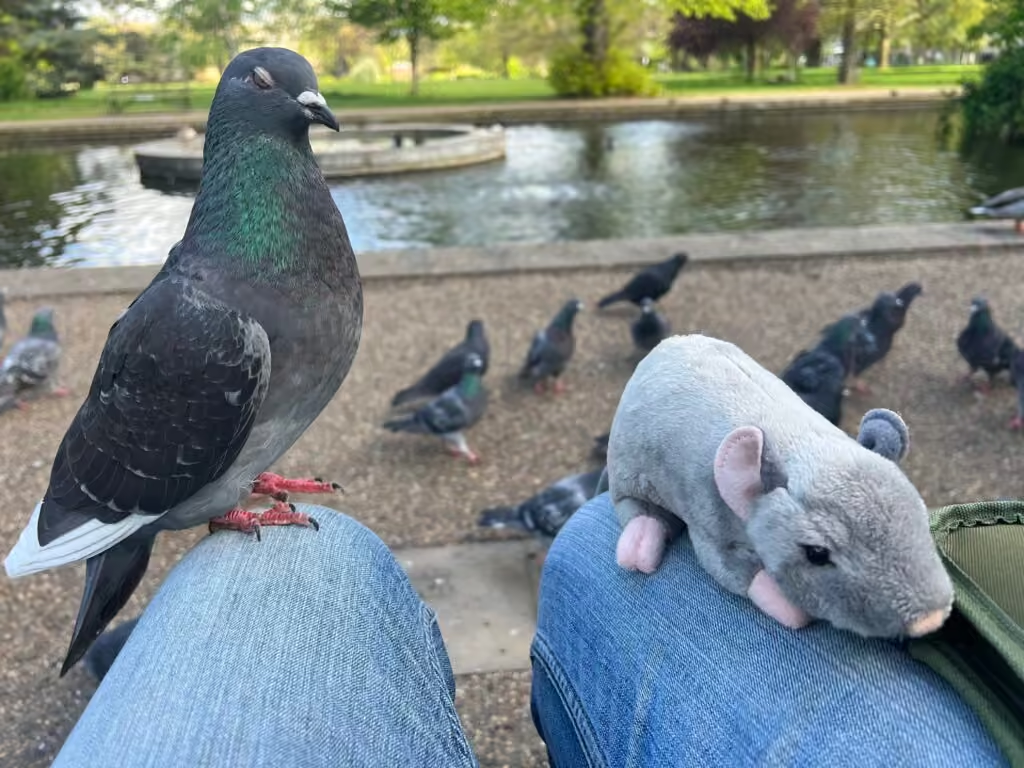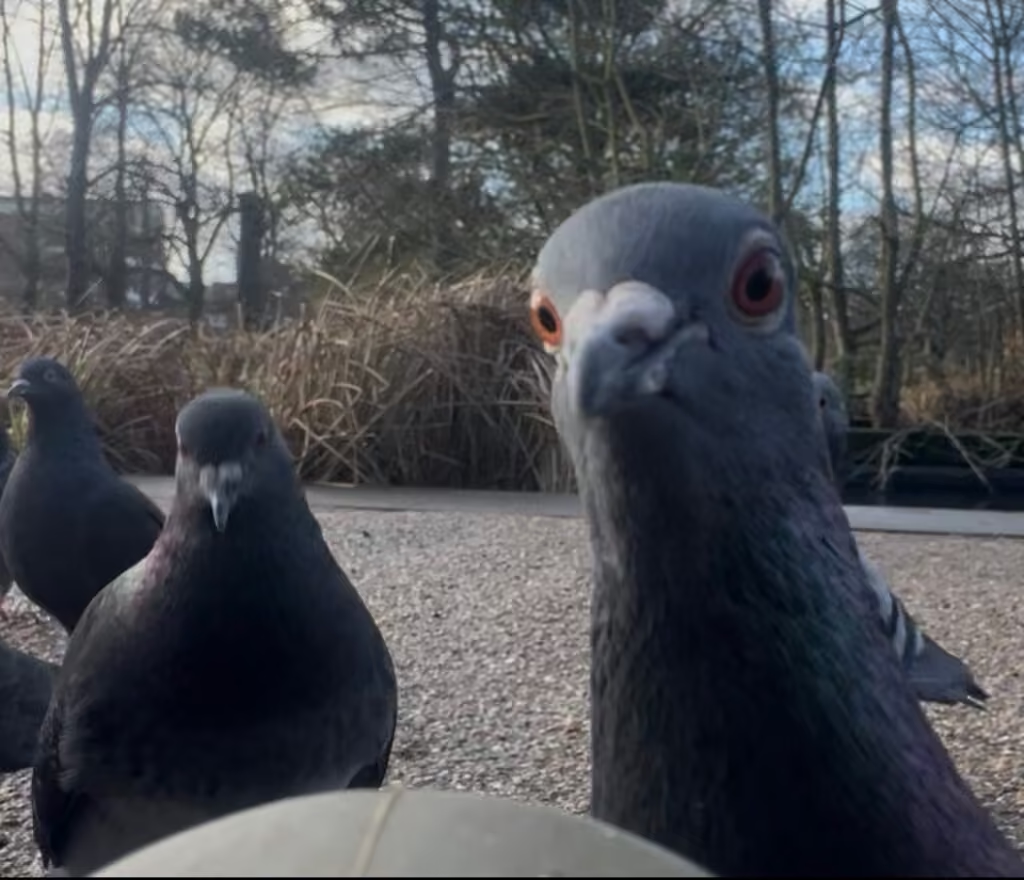
I have a confession – I’m a huge fan of pigeons. Yes, even (especially!) the feral kind. I like rodents of all kinds. Also snails and slugs. I think moths are magical and possibly more mysterious and exciting than butterflies, too. My appreciation of these usually-unloved animals is also why I value Ealing WIldlife Group so much – there’s no wildlife snobbery. Whether you want to share a photo of a beetle, bat, or beaver, or even a parakeet or magpie, all animals are welcome at Ealing Wildlife Group! Similarly, there’s no snobbery when it comes to wildlife knowledge either – no one is made to feel stupid for being curious or asking ‘beginner’ questions. The more knowledgeable within the group are incredibly generous with their time, information and photos, and I’m so grateful for that, as it feeds directly into my work as a children’s book author and illustrator.
I am fascinated by all animals but I am particularly drawn to urban wildlife that gets a bad rap – pigeons, corvids, snails, moths, bats, wasps, just as much as the ‘stars’ such as owls and peregrines, the gorgeous foxes and darling hedgehogs. I’ve noticed, though, that when an animal is so successful at life that they become too numerous for our liking, we humans tend to dismiss them or worse, wish them harm. That’s why my books, the children’s ‘Urban Wildlife Explorer’ series, focus on those animals as well as the fluffier ‘cuter’ ones that are already adored.
I’d like for children and their families to think about their relationships with animals and wildlife overall, that’s what my books aim to do, along with providing fun and interesting facts. For ‘Let’s Explore Pigeons’ I tried to show how our negative opinion of this one bird species is almost entirely based on its number and location. If there are ‘too many’ of a particular bird or animal they’re ‘boring’, and if they’re in the ‘wrong’ place – a rock dove on a cliff versus a pigeon in the park, for example – they’re suddenly unwelcome. I think feral pigeons (I call them ‘street doves’) are stunning birds, they can recognise faces, and they might be the only way a city kid gets to interact with wildlife.
I do, however, also recognise that when their numbers grow it can become a problem where they congregate (all that poo!) I don’t think the answer is hating on pigeons or installing spikes or nets, though, I think the best answer lies in birds of prey. We’ve all seen how effective Dusty and Freddie are at hunting both pigeons and parakeets. A perfectly natural way to maintain more healthy populations of pigeons, I think!
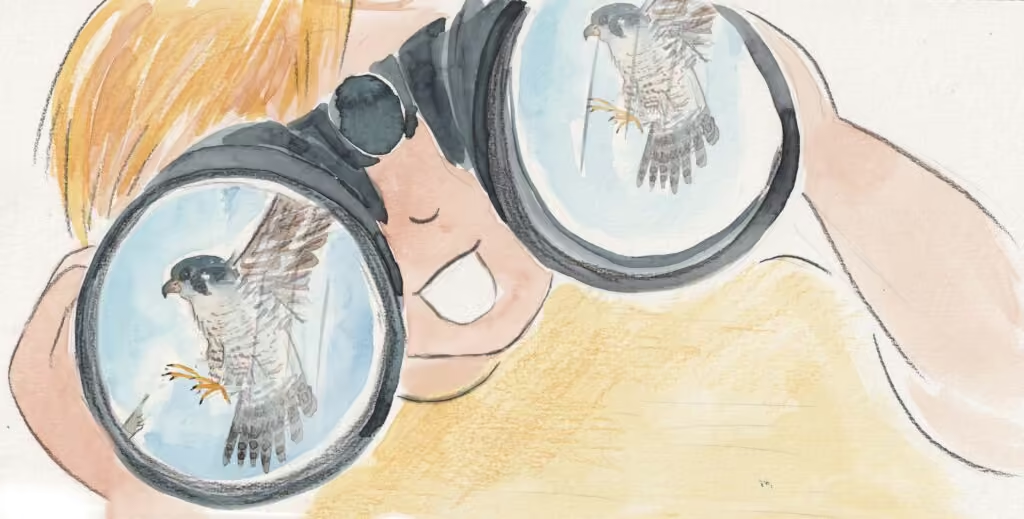
Aside from hunting, the mere presence of sky-borne predators such as peregrines helps maintain pigeon population levels too. If a pigeon needs to be on high alert when searching for food, it won’t be as successful at breeding. And it’s this aspect of nature ‘doing what it does best’ that’s the theme behind Sean McCormack‘s children’s books, too, which I’ve illustrated. For ‘Beaver Believers’, we saw Patrick, Abi and Jacob solve the local flooding and biodiversity issues with beavers. In the forthcoming ‘Falcon Friends’, the children use their pester power to help the local hospital solve their pigeon problem. It was great having access to all the wonderful peregrine footage and photos within Ealing Wildlife Group as I researched the book – invaluable! Which is also why I’m really hoping we can gather the funds for the additional falcon family cameras before nesting season next year so I can start working on a book all about urban birds of prey!
Siski Kalla
Siski Kalla is an Ealing-based author illustrator and member of Ealing Wildlife Group.
Siski’s pigeon photos, and a sneak peek at a Falcon Friend