
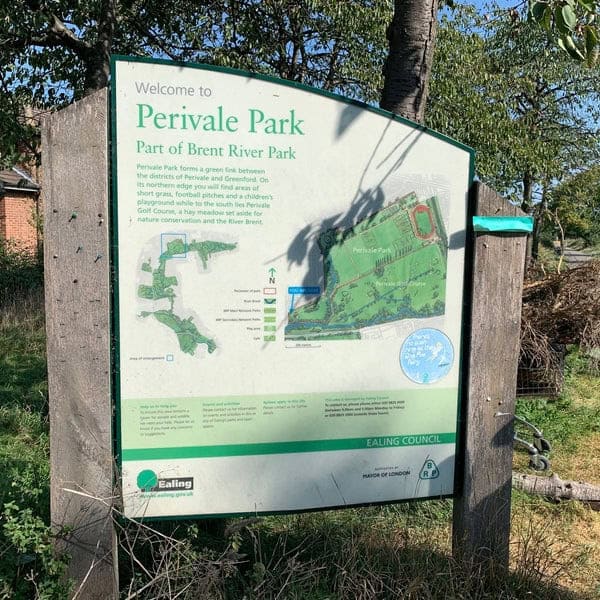
Perivale Park sits between Perivale and Greenford Broadway, bordered in the south by the River Brent and on its western side, Coston’s Brook runs into it near the weir.
To the north of the Brent is the old council-run golf course, that has just closed for the park to be transformed into a regional park by Ealing Council.
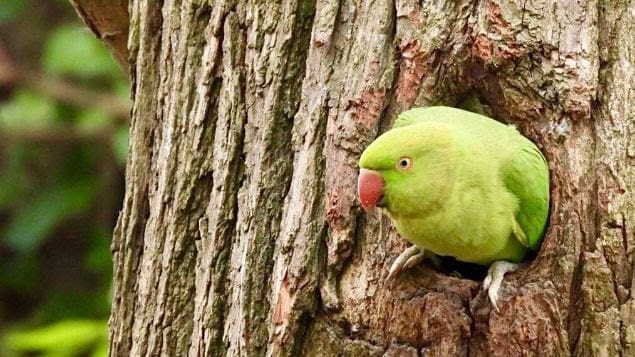
The old golf course area has some fine trees, especially close to the Brent which support Little Owls, Green and Great Spotted Woodpeckers as well as the ubiquitous Ring-necked Parakeets. Some of the previous golf course has a sward of fine grasses and forbs such as the locally rare Bird’s-foot with its tiny pinkish-white flowers, Lady’s Bedstraw and Sheep’s Sorrel.
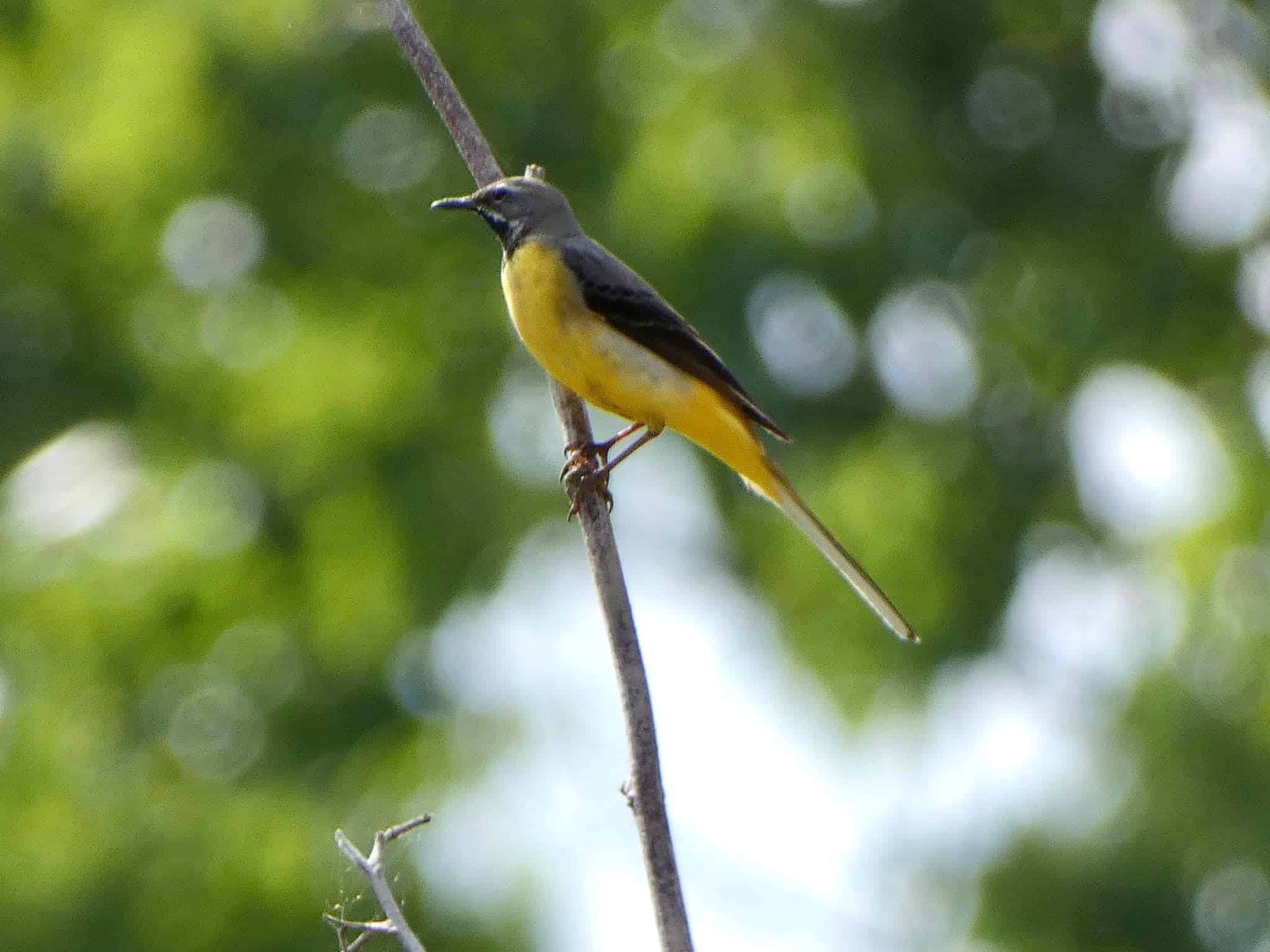
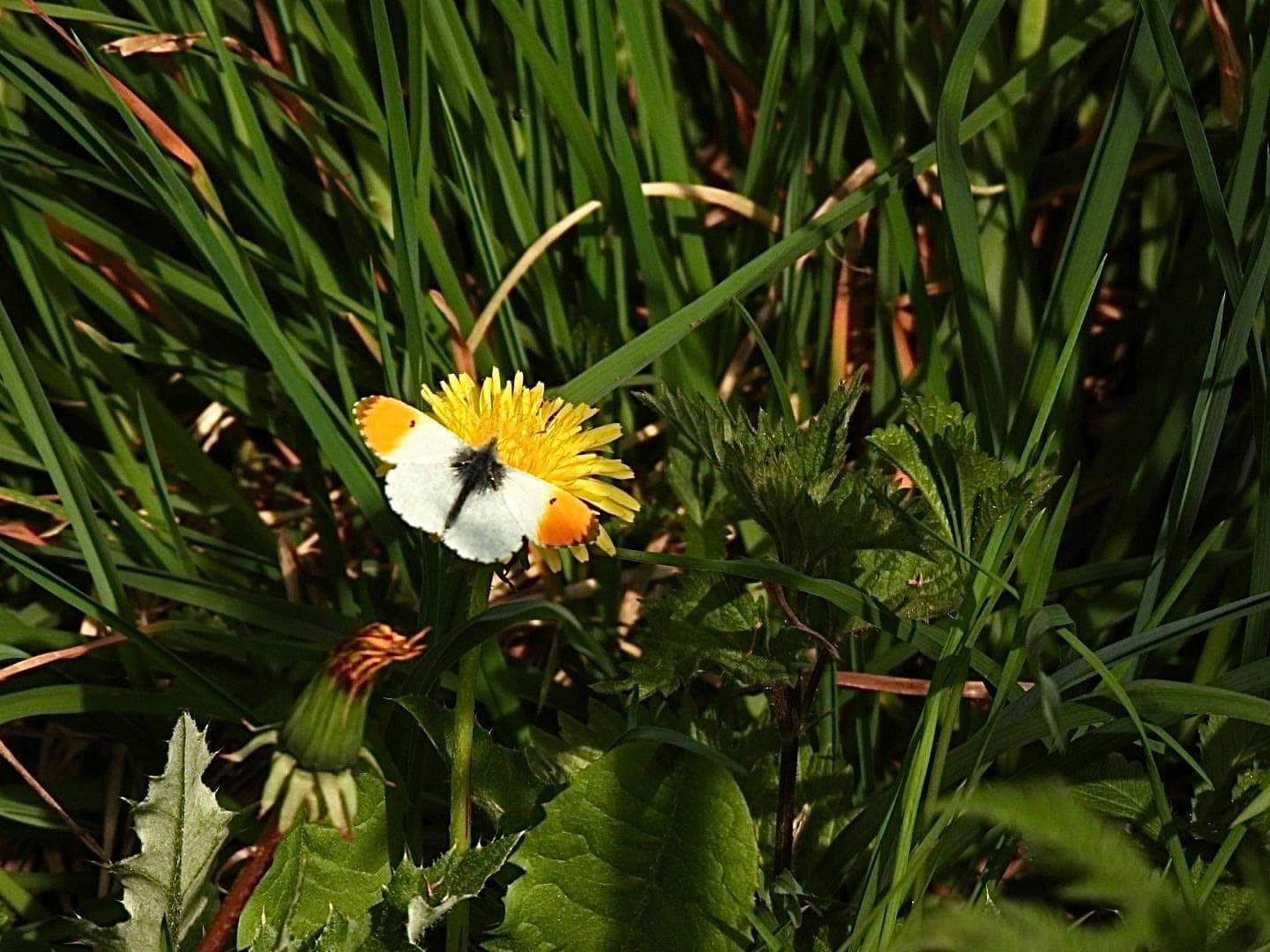
These quality grasslands also present close to Coston’s Brook as well as in Longfield Meadows (east of the viaduct), support numerous butterflies including Brown Argus, Small Copper and Small Heath, as well as a variety of other insects. Coston’s Brook holds small numbers of Mallards and Moorhens, as well as the odd pair of wintering Teal and often a breeding pair of Grey Wagtails. In winter this is a good spot for over-wintering Chiffchaff feeding on small gnats there. In spring and summer butterflies may include Meadow Browns, Gatekeepers, Orange Tip, Peacock and other widespread species.
A pond close to one of the bridges across the brook supports a good population of Common Frogs. Newer ponds are situated in the north-east corner which do dry out in hot summers, but Common Darter dragonflies breed there.
Much of Perivale Park is dominated by sports pitches. Though these are of limited wildlife appeal they do often hold good numbers of wintering gulls, particularly Black-headed and Common Gulls as well as other generalist species such as Wood Pigeons, Crows, Jackdaws, Starlings and often some Pied Wagtails.
Along the northern side of the park beyond the pitches lie some bulb beds with a mix of native and exotic plants which support a good mix of pollinators, attracting a variety of bees, hoverflies and butterflies. Last year the Eryngiums seemed very attractive to an increasing wasp called the Bee Wolf.
Adjacent to these is a small tree nursery before a large area which is often annually sown with mixes to attract seed-eaters. Plants have included Brassicas, Radish, Flax and several other species. Until a couple of winters back good numbers of finches were attracted with up to 70 Linnets, 40 Chaffinches, c. 20 Goldfinches and a couple of Reed Buntings. Sadly, the last two winters have seen a disappointing lack of these species. In this general area is a single plant of Mistletoe, a plant which is surprisingly scarce in Ealing.
Between the old golf course site and the sports pitches are a series of poplars and some rough vegetation including Knapweeds, thistles, Ox-eye Daisies and many other species that support good invertebrate populations as well as cover for small mammals. There is another sizeable seasonal pond in this central area. This area seems to attract Stonechats on passage, though the birds rarely linger we did have a wintering bird a few years back.
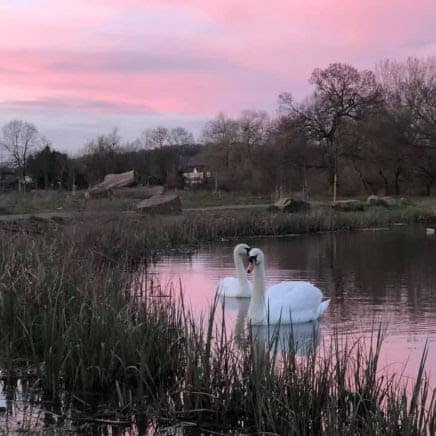
To the east of the viaduct is an area now known as Longfield Meadows. Behind the Gurnell Leisure Centre is a series of ponds; the largest usually retaining water during the summer and has a good quantity of emergent vegetation including Reedmace, Yellow Flag, Reed Sweet-grass and Purple Loosestrife. There are now fish here which colonised from periodic flooding of the adjacent Brent. Coots and Moorhens breed here. Due to dog disturbance other species come and go, though Canada and Egyptian Geese, Mallard and Herons are regular visitors. Little Egret and Little Grebe have been recorded, though the former is more often along the Brent.
These wetland ponds are the best area for Odonata (dragonflies and damselflies) with common damselfly species such as Large Red, Azure, Common Blue, Blue-tailed and Small Red-eyed. Dragonflies include Broad-bodied Chaser, Black-tailed Skimmer, Emperor and both Common and Ruddy Darters.
The embankment by the railway supports a large colony of Wild Garlic in the spring while Blackcaps and Chiffchaffs can be heard from the trees. Greenfinches are regular towards the top end and Stock Doves can be seen at times in the meadows.
Red Kites and Kestrels are the most regularly encountered raptors though Sparrowhawk, Buzzard and the occasional Hobby and Peregrine are possible.
Neil Anderson