
Hey nature lovers!
Gather ’round as we embark on an egg-sploration of one of Mother Nature’s most egg-ceptional creations: the egg! As a vet and animal scientist with a passion for conservation, I’m here to crack open the egg-stravagant world of eggs and share some egg-citing insights. Ok, I’ll try to stop now with the egg puns, I just got a bit egg-cited… I mean excited.
Diversity
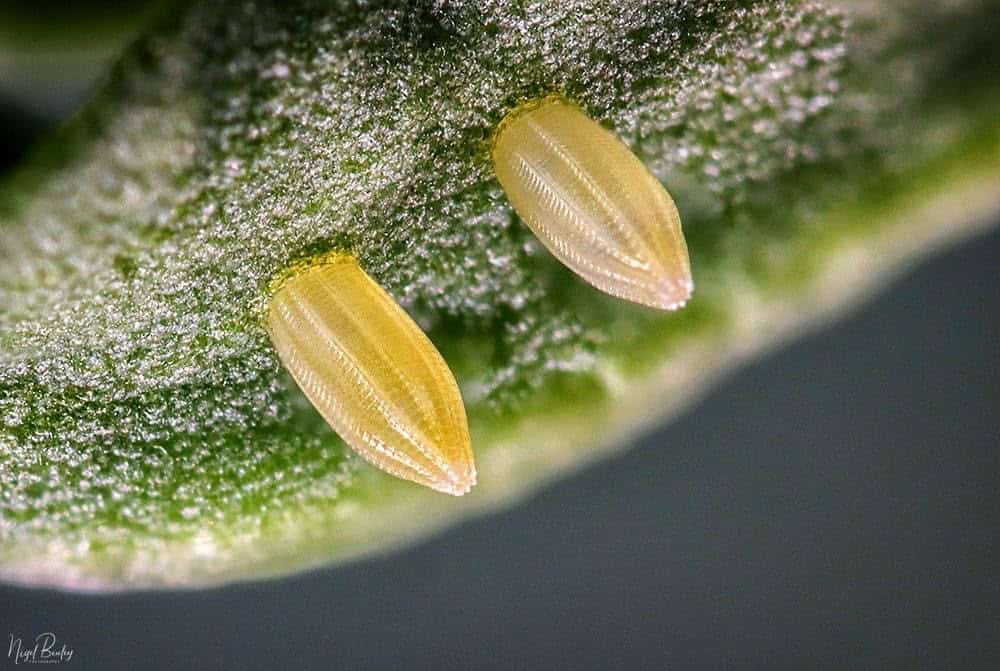
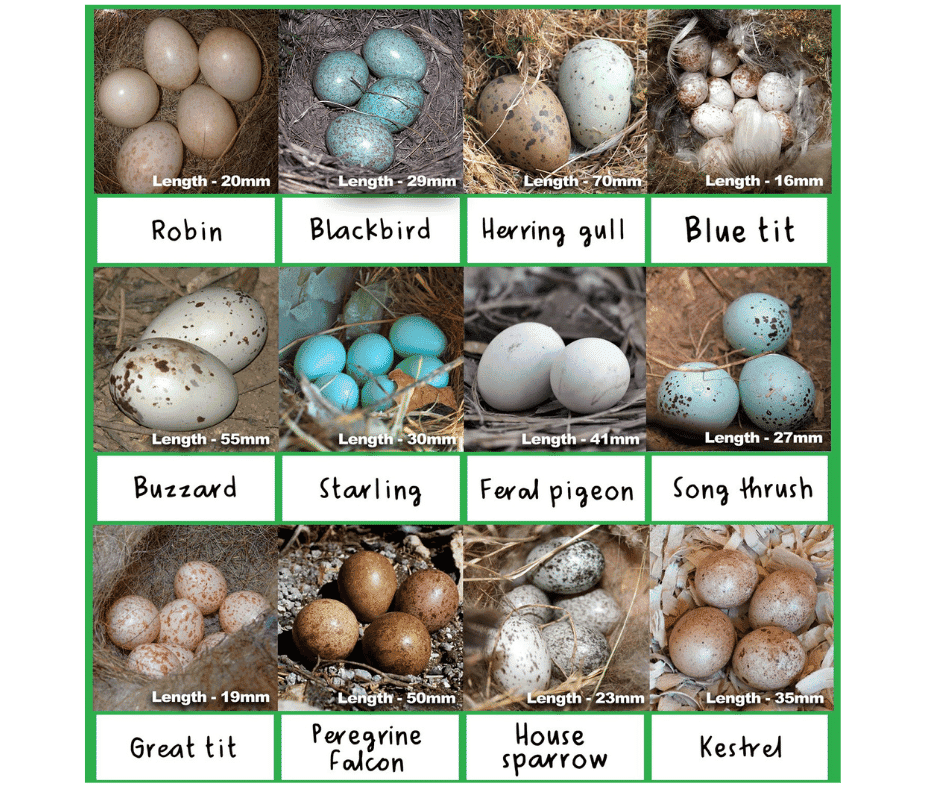
Now, let’s talk about the sheer diversity of eggs out there. From the teeny-tiny eggs of insects to the whopping eggs of our feathered friends like the ostrich, nature has gone all out with shapes, sizes, and colours. It’s like a cosmic Easter egg hunt out there.
Think about it – the perfectly camouflaged speckled eggs of ground-nesting birds like plovers or terns on a beach, strategically designed to evade the watchful eyes of predators. Or the tough, leathery eggs of our scaly pals, like the Grass Snake, built to withstand the rough and tumble of life in the wild without parental incubation. Talk about nature’s egg-stravaganza!
Shell-shocking Protection
Let’s give a shout-out to the eggshell – nature’s own bulletproof vest. Made mainly of calcium carbonate, this tough cookie of a casing shields the precious cargo inside from harm whilst being both incredibly robust yet porous to ensure there’s enough air to breathe. A shout-out to the humble, and delicious chicken egg. It’s like cracking into a bodyguard for your breakfast!
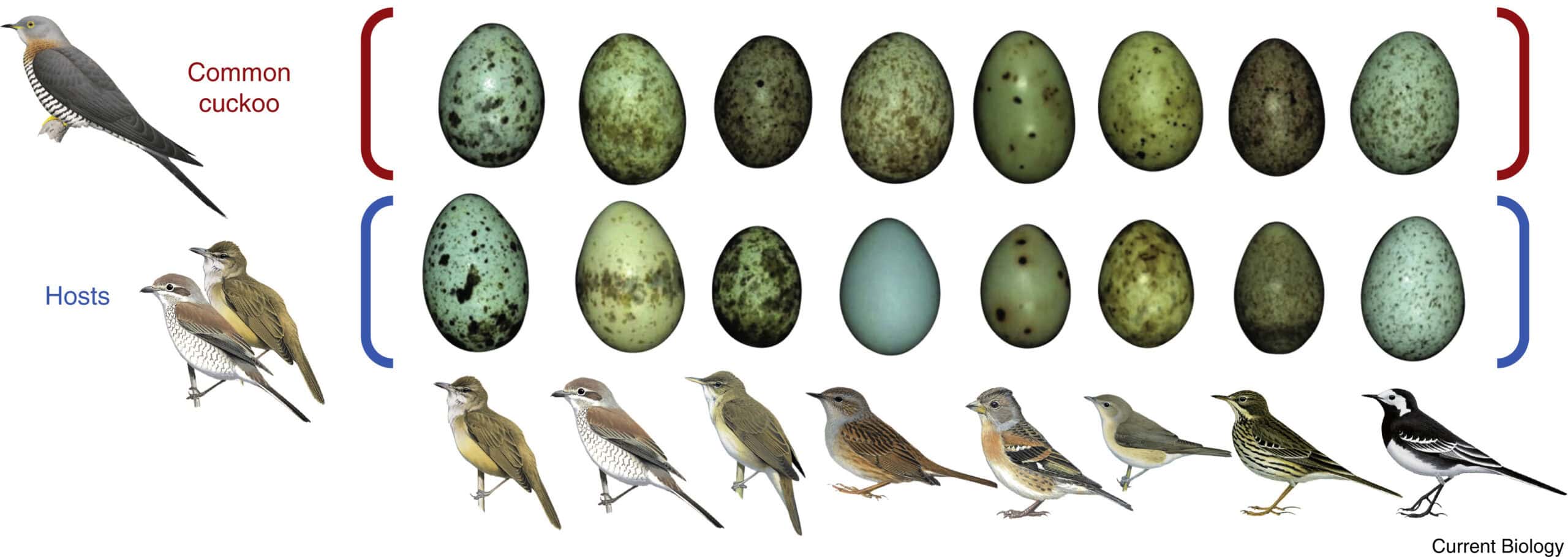
But here’s a real head-scratcher for you – the Cuckoo! This crafty bird has evolved to sneakily lay its eggs in the nests of other birds, leaving them to do all the hard work of raising its chicks. Now that’s what I call playing the ultimate game of egg roulette! Even more astonishingly, some of our Cuckoos, the exact same species, are adapted to mimic the eggs of only a single host species. So upland Cuckoos will lay a blotchy brown egg that looks like those of Meadow Pipits, and lowland Cuckoos will lay a bright blue egg to fool their Dunnock hosts into thinking the large egg in their nest is their own. Cuckoos with an affinity for hanging out in wetlands choose Reed Warbler hosts and need to lay a different-looking egg again. If you’re a female Cuckoo, you can’t just decide on a different host next year, your cover will be blown. So within the Cuckoo species, there is individual variation in habitat and host choice that’s been shaped by evolution for millennia. Your eggshell gland and the colour it can produce bind you to a determined path in life. Mind-blowing stuff.
Egg-squisite Adaptations
So, why are eggs such a hit in the evolutionary jackpot? Well, it all comes down to versatility, my friends. Unlike live birth, which demands a hefty energy investment, laying eggs allows species to pump out offspring like there’s no tomorrow without breaking a sweat. For birds, most of whom need to fly and maintain their lightweight status, laying eggs one at a time in sequence gets over the burdens of mammalian pregnancy and gestation. As we’ve seen with our very own Dusty and Freddie, the Ealing Hospital Peregrines, an assembly line of eggs is in production at any one time, and the eggs are laid one by one until a full clutch is complete. Then, and only then will the mother bird sit tight for incubation, with occasional help from Dad too, depending on the species. This is called delayed incubation and allows a bird to hatch all its young at or around the same time. Makes for easier parenting that way.
An avian exception to this pattern is owls who start incubating as soon as the first egg is laid, so the oldest chick may be a week or two older than the youngest. This is because, for many owl species, their prey tends to exist in boom or bust cycles with populations crashing every so often after numbers build too much. In a good year, every owl chick may be fed enough and survive. In a bad year, you don’t want to be the last chick to hatch as there’s a very good chance you may be eaten by your bigger siblings. It’s a brutal, but successful insurance policy for getting some young out of the nest into the big, bad world each breeding season.
Eggs provide for parental independence and mobility, which allows populations to expand to new areas and take advantage of new opportunities. They also provide a cosy and consistent environment for little ones to grow, shielded from the whims of Mother Nature. It’s like having a five-star hotel for embryos, ensuring they have the best shot at making it in this wild world.
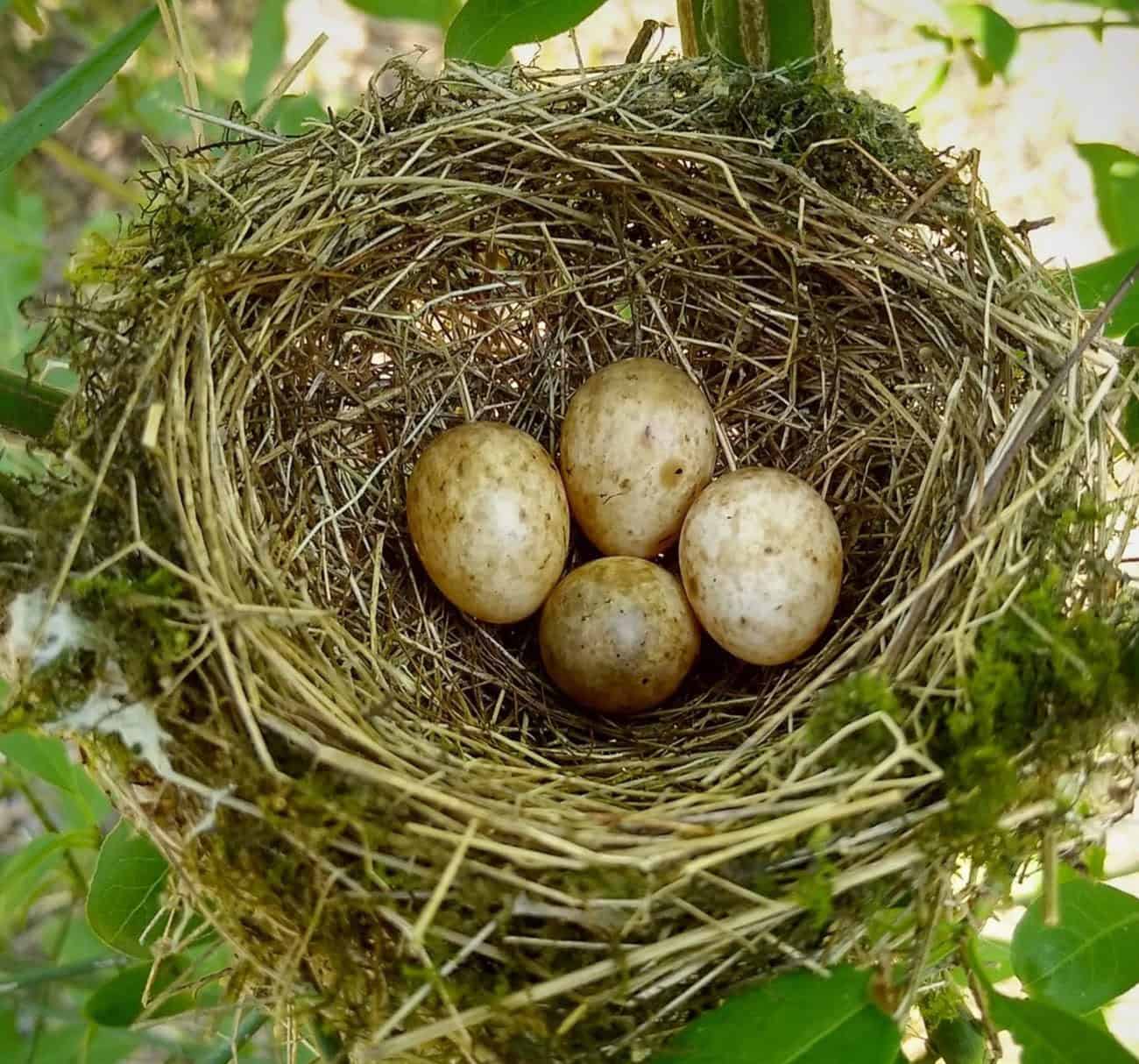
Let’s give a round of applause to the egg for being the unsung hero of the natural world. Whether it’s tucked away in a tree nest or nestled snugly in the ground, dangling in clusters from the underside of a leaf, buried in a pile of rotting vegetation, or in a pond, the egg represents the ultimate symbol of life, resilience, and endless possibilities.
So, next time you stumble upon a clutch of eggs on your wanderings, take a moment to appreciate the miracle that lies within. For in the humble egg, we find the very essence of what makes our natural world so darn egg-squisite! (I know, I know, I just couldn’t resist).

Until next time, keep your eyes peeled for the egg-straordinary wonders that surround us every day! (Stop it now Sean).
Slán
Sean McCormack
EWG Chair and Founder