

Greetings, fellow nature enthusiasts! Hope you are all enjoying Spring rolling in as much as I am. It seems like every day I step outside there is something new to see or hear, with our habitats and wildlife bursting into a new phase of life. Our resident wildlife species are already well underway in their breeding efforts, with fox cubs emerging from dens under sheds or in overgrown, derelict gardens, Freddie and Dusty our Peregrines of course hatching new chicks on Ealing Hospital. Songbird fledglings are already appearing too, so keep those cats indoors if you notice them on the ground right after they fly the nest and have yet to learn to avoid predators. We suspect the pitter patter of tiny baby Beaver feet could be just around the corner too, wouldn’t that be something?
But there are also new arrivals landing on our shores from faraway places. So today, let’s embark on a wondrous journey through the awe-inspiring phenomenon of migration in the natural world. Migration, my friends, is a testament to the incredible resilience and adaptability of wildlife. Take, for example, the enigmatic Nathusius Pipistrelle bat. These elusive creatures undertake astonishingly long journeys across continents, navigating vast distances with remarkable precision. Our third species of Pipistrelle, and our only migratory British bat species as far as we can tell, this species has been detected on occasion in Ealing, including at Costons Lane Nature Reserve where our team of volunteers were treated to wonderful views of one hawking over our brambles and wetland margins. This species migrates into Britain from Europe to breed each year, using the Thames corridor and other river valleys as commuting routes.
There is a large maternity roost nearby at Bedfont Lakes in Hounslow, where bat ecologists have been studying them and placing lightweight numbered metal rings on their wings to identify individuals. One of the females ringed there was later recovered hibernating in a cave system in Latvia. Another bat ringed at Bedfont later broke that record by flying 1254 miles to Western Russia, but sadly met her end when caught by a cat. How incredible, and incredibly sad, is that? It’s truly a marvel to imagine these tiny mammals weighing as little as 6g when they emerge from hibernation embarking on their epic migratory voyages.
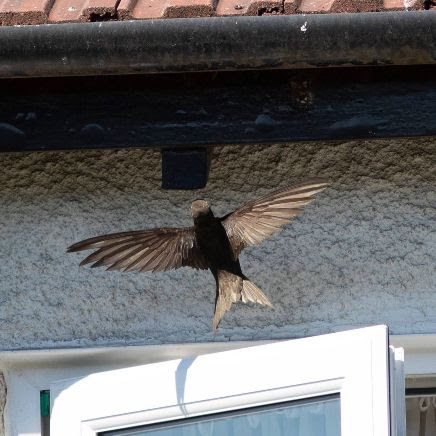
But what about birds, and how they captivate us with their migratory prowess! Every summer, our skies are graced by the melodious songs and vibrant plumage of various migrant species. Although with our numerous summer migrant warbler species, ‘vibrant’ doesn’t exactly spring to mind, more like LBJs or ‘little brown jobs’. From the graceful Swallows and Swifts darting through the air to the majestic Ospreys soaring overhead (even over Ealing as eagle eyed Nigel Bewley once observed), each avian traveller has a story to tell.
Bird migration, in particular, is a topic of great intrigue. How do birds navigate vast distances across continents?
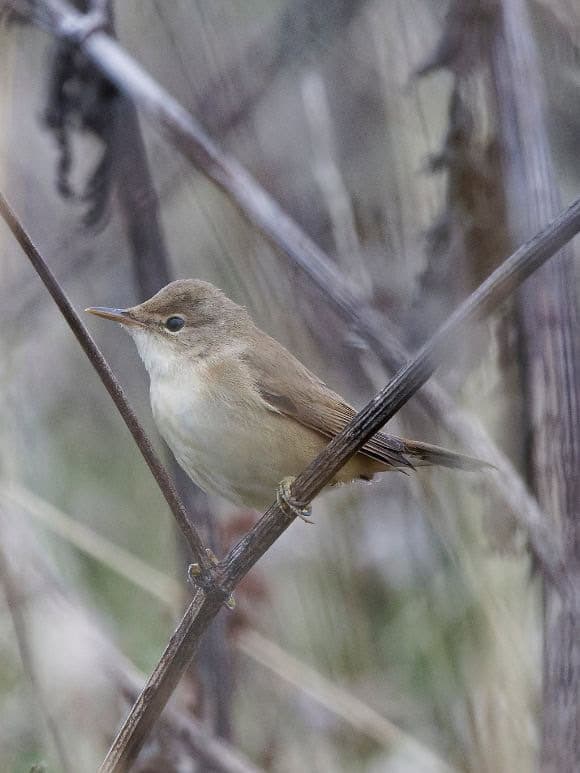
Scientific research suggests that birds employ a combination of innate instincts, celestial cues, and environmental cues to find their way during migration. One theory proposes that birds use the Earth’s magnetic field as a navigational aid, while others suggest they rely on landmarks, stars, and even the sun’s position.
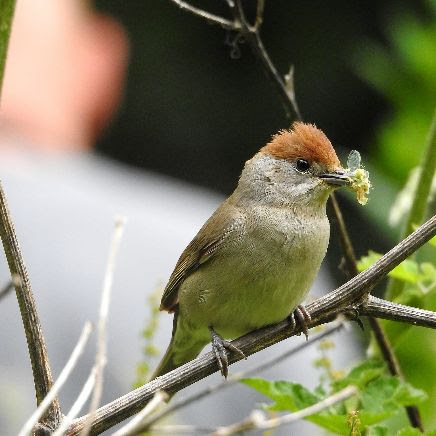
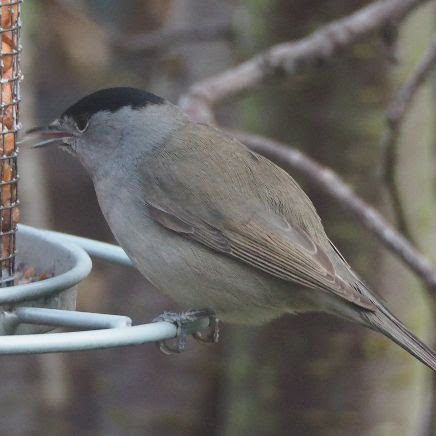
In Britain, a number of bird species are summer and winter migrants. For instance, the Blackcap provides a compelling example of this migratory pattern. Some Blackcaps from Germany overwinter in Britain, while others migrate from Africa to spend their summers here. This seasonal movement is driven by factors such as food availability, climate conditions, and breeding opportunities.
Benedict MacDonald, in his illuminating book “Rebirding,” eloquently explores the intricate web of life that bird migration weaves, shedding light on the vital role these feathered wanderers play in maintaining ecosystem balance. Highly recommend a read of it. The bit that blew my mind was about House Martins using magnetic sensitive structures in their eyes to instinctively home in and land back at the exact brick or house eaves they were born at each summer from Africa. But sadly, once they are lost to an area it’s going to be really difficult to ever get them to recolonise again, such is the magnetism of their birthplace, quite literally. This concept of natal homing further adds to our understanding of bird migration, and ensures the survival of migratory populations by allowing individuals to navigate back to familiar, tried and tested breeding grounds year after year. Another book recommendation is Tim Birkhead’s masterpiece “Bird Sense,” which delves into the fascinating world of avian migration, offering further insights into the sensory mechanisms that guide birds on their extraordinary migrations.
And let’s not forget about the insects! As summer unfolds, Britain becomes a haven for a myriad of insect migrants, from the strikingly beautiful Painted Lady butterflies to the fantastical and fascinating Humming-bird Hawk-moth that convinces people they’ve had an actual Hummingbird in their garden each year as they arrive. These tiny travellers embark on perilous journeys, braving winds and weather to reach their seasonal destinations.


What makes migration in nature truly remarkable is its sheer diversity. From the monumental migrations of wildebeest across the African plains to the epic journeys of Arctic terns traversing the globe, nature never fails to astound us with its ingenuity. While much remains to be discovered about the intricacies of migration, our understanding continues to evolve thanks to ongoing research and observation. By studying the migratory patterns of British wildlife, we gain valuable insights into the interconnectedness of global ecosystems and the importance of conservation efforts to protect these remarkable journeys. As stewards of the environment, it is our responsibility to safeguard the habitats and migration routes that support these remarkable journeys.
So, dear readers, the next time you witness the flight of a migrant bird or catch a glimpse of a bat silhouetted against the twilight sky, take a moment to marvel at the wonders of migration. For in these fleeting moments, we are reminded of the interconnectedness of all living things and the enduring spirit of life itself. Until next time, may your explorations of the natural world be filled with curiosity and discovery. Get out there in Ealing and beyond and discover some of the amazing species visiting us this summer. And don’t forget to post what you’ve seen on the group, even if you don’t have photos, or don’t think your photos are any good, we love the stories of wildlife spotting too!
Sean McCormack
Chair and Founder, Ealing Wildlife Group