
Bat season is upon us! At dusk, you can see Pipistrelles flitting around the treetops catching midges and mosquitos. Look straight up high into the sky and you may see a larger Noctule flying straight across the sky eating larger higher flying bugs. Ealing has seven species of bat, Common Pipistrelle, Soprano Pipistrelle, Noctule, Leisler’s, Brown Long Eared, Daubenton’s and Nathusius Pipistrelle, which is a summer migrant from the continent. If you come to one of our bat walks you can hear them too using one of our bat detectors! (Check our calendar for upcoming walks).
But here are some fascinating things you may not have known about bats from all across the globe!
Bats are the teeny tiniest!
The world’s smallest mammal (by body length) is a bat! The Kitti’s hog-nosed bat, also called the Bumblebee Bat (Craseonycteris thonglongyai) weighs less than a penny! They average 29 to 33 mm (1.1 to 1.3 in) in length and 2 g (0.071 oz) in mass. On the other hand,
the world’s largest bat is the giant golden-crowned flying fox, which has a wingspan of up to 6 feet.
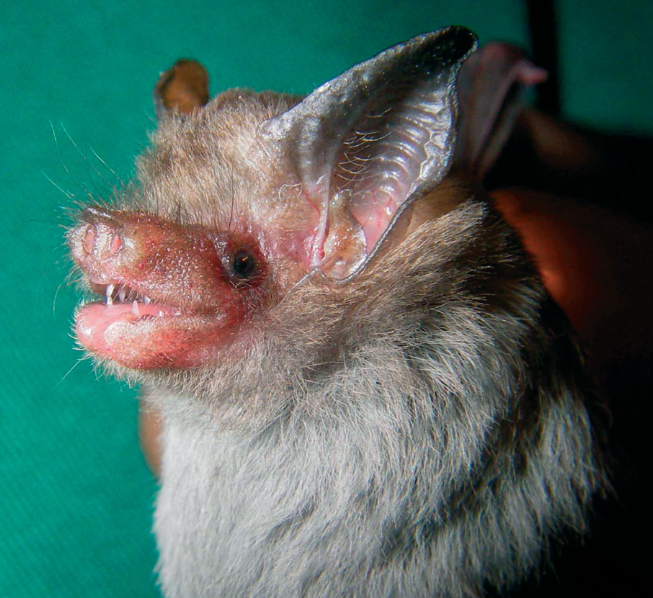
They have giant appetites!
Bats can consume their body weight in insects every night, up to 1,200 mosquitoes an hour, and up to 3,000 insects a night!

Western small-footed bat about to ruin a moth’s night. photo credit Michael Durham
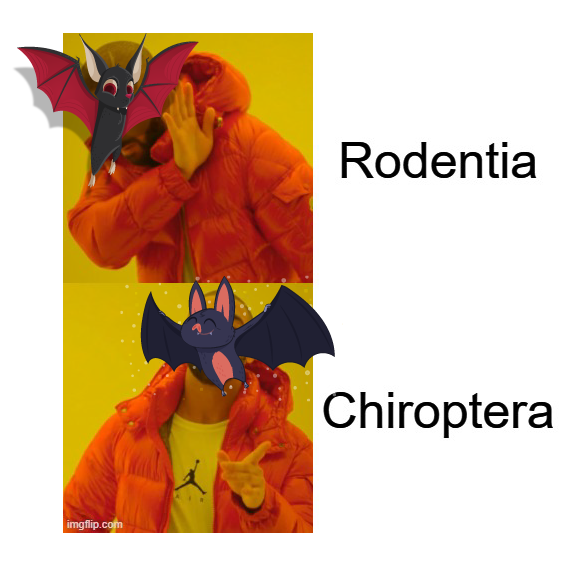
They aren’t flying rodents!
Bats are more closely related to whales than to rodents. And rodents are more closely related to humans than they are to bats!
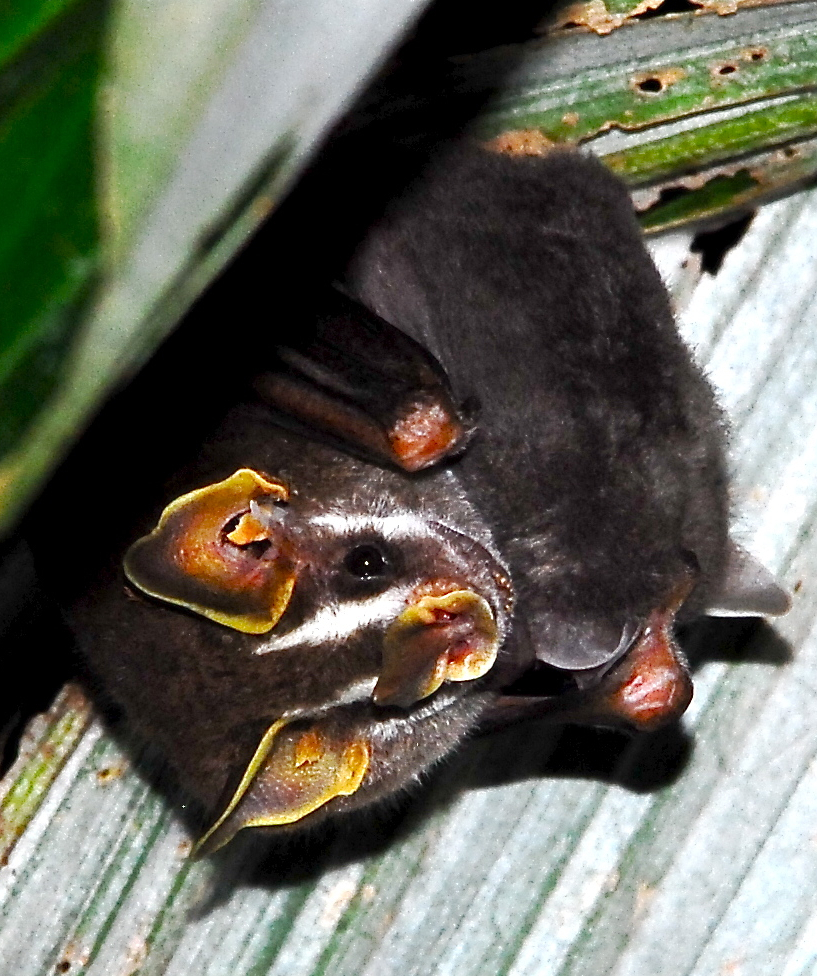
Bat babies are lil chonks!
Baby bats are called pups and can weigh up to one-third of their mum’s body weight, that’s like a human baby weighing 18 kg (40 lbs) at birth! And sometimes these poor bat mums have twins! 😱
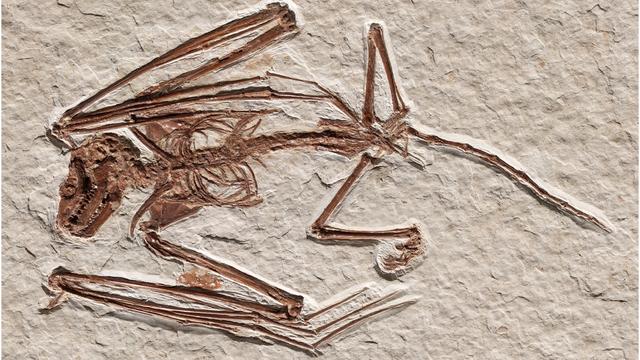
Bats have been around for a looong time!
The earliest bat fossil found Icaronycteris gunnelli, is 52 million years old, and it is possible some form of bat was flying about when the dinosaurs were running around 65 million years ago! Other fossils found have shown that bats have been echolocating for at least 50 million years!
Their bums help make gunpowder!
Bat poo is called guano and it is high in potassium nitrate, also called saltpetre. Saltpetre is the oxidising component in gunpowder and is mined from bat caves full of guano. This was an important source of gunpowder during the American Civil War. Guano is also an excellent fertiliser and has even been used to preserve fossils!

Bats live upside down!
At least when they aren’t flying. They have locking toes so they can sleep upside down. Also, they can only launch themselves into flight while upside down because they can’t launch from the ground and their hind legs can’t support their weight when they are upright. Incidentally, they flip right side up and hang from their front claws to do their business so it doesn’t dribble down into their faces!

Bats are the fastest flyers!
Mexican (aka Brazilian) free-tailed bats (Tadarida brasiliensis) are the fastest flying animal (in horizontal flight, peregrines are still the fastest in a dive) and can fly as fast as 100mph!

Bats live a (relatively) long time!
Most small animals don’t live very long, mice only live a few years if they are lucky. As usual, however, bats defy all expectations and live an average of 16-20 years! The oldest bat known is a male Brandt’s Bat (Myotis brandtii), he was first ringed in 1962 and was recaptured in 2005 making him at least 41 years old at the time he was captured!

We wouldn’t have chocolate without bats!
Bats provide insect control for many of our favourite foods, chocolate, strawberries, corn, rice, tomatoes, coffee, pecans, walnuts, peppers, citrus and the list continues! They also pollinate many of our favourite foods, coconuts, bananas, agave (for tequila) avocados, guavas, etc. And lastly, they help disperse the seeds of figs, almonds, papayas, agave, cashews, and mangos. Basically, we can thank bats for chocolate-covered strawberries, margaritas, and avocado toast! Brunch has been made possible by bats!