
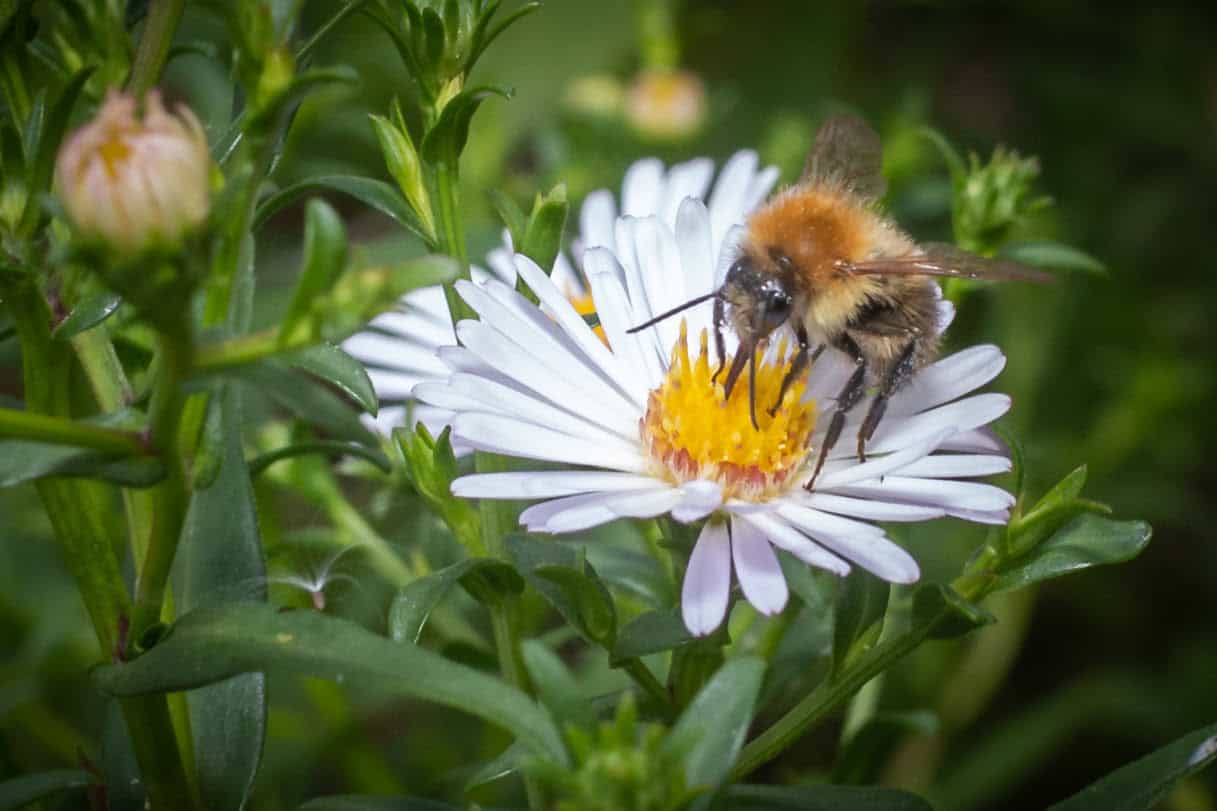
Did you know that the buzzing creatures we often see darting from flower to flower hold a pivotal role in the intricate web of life?
Bees, with their delicate wings and diligent work ethic, are not just insects; they are the unsung heroes of our ecosystem. In the UK alone, there are over 250 species of bees, each contributing in its unique way to the vibrant tapestry of biodiversity.
One of the most crucial roles bees play is in pollination. As they flit from one bloom to another, they unwittingly transfer pollen grains, facilitating the reproduction of countless plant species. From the fruits and vegetables we enjoy to the wildflowers that adorn our landscapes, bees are the diligent messengers that bring life to our surroundings.

However, despite their vital contributions, a dark turn is taking over. The number of bees in the UK is dwindling at an alarming rate. According to the Bumblebee Conservation Trust, two species of bumblebees have become extinct in the UK since the 1940s, and many more are on the verge of disappearing.
Solitary Bees in Ealing (i), clockwise from top left: Furrow Bee (Lassoglossum sp.); Grey-patched Mining Bee (Andrena nitida); Blue Mason Bee (Osmia caerulescens); Sleepy Carpenter Bee (Chelestoma florisomne) [Photo credit: Alex Worsey]
Bees rely on diverse habitats, from meadows to woodlands, to thrive. However, urbanisation and agricultural intensification have led to the destruction of these habitats, leaving bees with fewer places to forage and nest. Pesticides, intended to protect crops, often harm bees by affecting their nervous systems or weakening their immune systems. Climate change disrupts the timing of flowering plants, leading to a mismatch in bee foraging and food availability. Additionally, diseases such as the Varroa Mite (V. destructor) and (V. jacobsoni) have decimated bee colonies, furthering their decline.
To ensure the continued existence of these vital pollinators, concerted efforts are needed at both community and governmental levels. As a community, we can create bee-friendly spaces by planting bee-friendly flowers, providing nesting sites, and avoiding pesticide use in our gardens. Check out this simple guide for 10 Ways to Save the Bees!
Schools, businesses, and local councils can play a significant role by implementing pollinator-friendly policies, such as preserving green spaces, creating wildflower meadows, and supporting organic farming practices. Raising awareness through educational initiatives, public campaigns, and community events is crucial in fostering a deeper appreciation for these remarkable insects and inspiring action to protect them.
Solitary Bees in Ealing (ii), clockwise from top left: Nomad Bee (Nomada sp.); Short-fringed Mining Bee (Andrena dorsata); Chocolate Mining Bee (Andrena scotica); Ashy Mining Bee (Andrena cineraria) [Photo credit: Alex Worsey]

A shining example of dedicated conservation efforts can be seen in the project to save the Shrill Carder Bee (Bombus sylvarum) in East London and Kent. This is one of the UK’s rarest bees, and its population has been devastated by habitat destruction. The life cycle of this bee means that it requires abundant pollen and nectar sources to support emerging males and daughter queens in August and September. Intensification of farming involves multiple grass cutting for silage, meaning that the supply of late flowers is reduced.
In the “Back from the Brink” project conservationists worked tirelessly to restore and create suitable habitats for this species by planting wildflowers, protecting existing meadows, and encouraging sustainable farming practices. Although it’s early days, there are already encouraging signs of population recovery at one site in Kent, a wonderful demonstration of how targeted actions can help reverse the decline of specific bee species and restore ecological balance.
By working together to create a hospitable environment for bees to thrive, we not only ensure their survival but also nurture our shared natural heritage. After all, in the gentle hum of bees lies the promise of a vibrant and resilient ecosystem for generations to come.
This month, don’t miss the 2024 Official Pollinator Week from 17 to 23 June; a nationwide celebration dedicated to raising awareness about the importance of bees (and other pollinators of course) and how we can all contribute to their conservation.
Sabrina Bravi
EWG Events Officer