
As autumn begins to settle over the Ealing area, nature enthusiasts may notice a familiar sight gracing local parks and green spaces—the majestic Horse Chestnut tree (Aesculus hippocastanum). Native to the Balkans but now naturalised across the UK, this towering tree has become an iconic part of Ealing’s landscape and provides both visual beauty and ecological benefits.

A Tree of Many Charms: The Horse Chestnut is easily recognisable by its distinctive palmate compound leaves, which spread out like a hand with several oval leaflets. In autumn, these leaves turn golden-brown, enhancing the visual appeal of the tree. However, the real attraction this time of year is the conkers—shiny brown seeds encased in spiky green husks. These conkers are not only a favourite of local wildlife but also a nostalgic element for many who remember the traditional game of conkers.

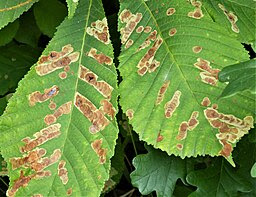
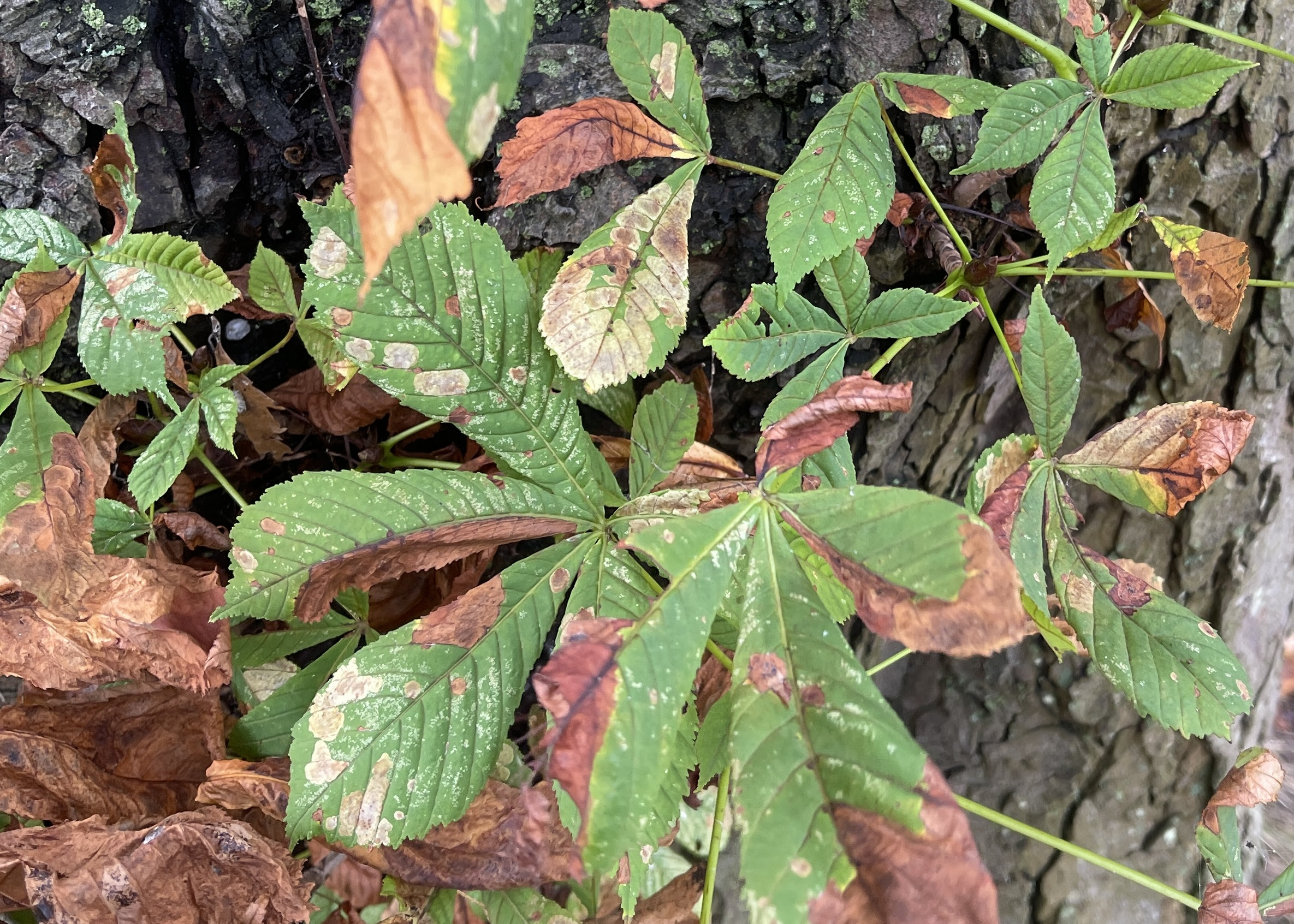
Ecological Role and Wildlife Value: Despite not being native to the UK, the Horse Chestnut plays a significant role in supporting local wildlife. Its substantial canopy can shelter various bird species, including wood pigeons, crows, and tawny owls. The tree’s conkers, though toxic to humans and some animals, are consumed by other species such as squirrels and deer. During its spring flowering season, the tree provides essential nectar for bees and other pollinators. It also serves as a habitat for insects. Caterpillars of the triangle moth feed on its leaves, as do the larvae of the tiny Horse Chestnut Leaf Miner moth. While this pest can cause the leaves to brown prematurely, it generally doesn’t affect the tree’s overall health and the caterpillars provide food for bluetits.
Understanding the differences between Horse Chestnuts and Sweet Chestnuts (Castanea sativa) can be important for safety and appreciation:
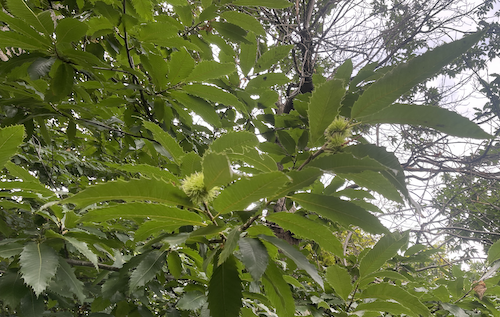
Appearance: Horse Chestnut leaves are palmately compound with a hand-like shape, whereas Sweet Chestnut leaves are simple and elongated with serrated edges.
Location: Horse Chestnuts are commonly found in urban environments, while Sweet Chestnuts grow in natural woodlands and forests.
Toxicity: Horse Chestnuts are toxic due to a substance called aesculin. They can cause serious stomach upset if ingested; Sweet Chestnuts are edible and enjoyed in various recipes.
Burr: Horse Chestnut burrs are thick, green, and covered with short spikes. Sweet Chestnut burrs are brown with numerous long, bristly spines.
Nuts: Horse Chestnut burrs typically contain one large, smooth nut (the conker), whereas Sweet Chestnut burrs contain two to three smaller, edible nuts.
A tree to protect: As you walk through Ealing’s parks this autumn, take a moment to appreciate the Horse Chestnut tree’s contributions to the local environment. From its striking foliage and conkers to the wildlife it supports, this tree remains a cherished part of the landscape.
Despite their beauty and ecological value, Horse Chestnut trees face several challenges. Diseases such as bleeding canker and infestations by leaf miners have raised concerns about their future. These issues can impact the health and longevity of the trees, though many continue to thrive across Ealing. Ongoing research aims to develop more resilient varieties and promote conservation efforts to protect these iconic trees.
Enjoy the vibrant landscape and happy conker hunting (but remember to keep safety in mind)!
Sabrina Bravi
Events Officer